
Email Address
sales@filtercartridgetech.com
Phone Number
(+86) 15057941949
Our Location
Zhejiang, China
sales@filtercartridgetech.com
(+86) 15057941949
Zhejiang, China
Choosing the right filter cartridge manufacturer is one of the most important decisions for any industrial filtration system. Whether your application is in water treatment, pharmaceuticals, food and beverage, chemicals, or microelectronics, the performance of the filter cartridge directly affects product quality, system reliability, and operational costs.
Many buyers focus only on price when selecting a supplier. However, a low-cost filter cartridge may lead to frequent replacements, equipment contamination, or unexpected downtime. Asking the right questions before purchasing can help you identify reliable manufacturers and ensure the filtration solution meets your technical requirements.
In this guide, we will discuss the top 10 questions you should ask your filter cartridge manufacturer before placing an order. These questions will help you evaluate product quality, filtration performance, customization capability, and long-term supplier reliability.
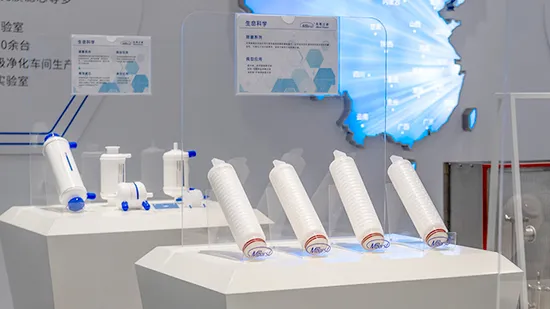
Filtration efficiency is one of the most critical performance indicators of any filter cartridge. It determines how effectively the filter removes particles from a liquid or gas stream.
Manufacturers typically describe filtration efficiency using:
A nominal rating generally means the filter removes around 85–95% of particles of a given size. An absolute rating indicates that the filter can remove more than 99.9% of particles at the specified micron size.
For critical industrial applications, it is important to ask the manufacturer about the Beta ratio (β value). The Beta ratio provides a precise measurement of filtration efficiency by comparing the number of particles before and after filtration.
Example:
β = 200 means the filter removes 99.5% of particles of that size.
Understanding filtration efficiency ensures that the selected filter cartridge will meet your process requirements and protect downstream equipment.
Filter cartridges are manufactured from different materials depending on the filtration application. The choice of material affects chemical compatibility, temperature resistance, and filtration performance.
Common filter cartridge materials include:
PP filter cartridges are widely used in industrial filtration due to their excellent chemical resistance and cost-effectiveness. They are commonly applied in:
PES membrane filters are often used in high-purity filtration processes such as:
They offer high flow rates, low protein binding, and excellent filtration efficiency.
PTFE filter cartridges provide outstanding chemical resistance and high temperature tolerance. They are ideal for:
When choosing a filter cartridge manufacturer, always confirm the filter media material, support layers, and housing components to ensure compatibility with your filtration system.
Different filtration requirements call for different filter cartridge designs. The three most commonly used cartridge technologies in water treatment systems are depth filter cartridges, pleated filter cartridges, and high flow filter cartridges.
Quality certifications indicate whether a manufacturer follows internationally recognized production standards.
Reliable filter cartridge manufacturers typically comply with standards such as:
These certifications ensure that the filter cartridges are produced under strict quality control procedures.
For industries such as pharmaceuticals, biotechnology, and food processing, certification compliance is essential to meet regulatory requirements.
Always ask the manufacturer to provide certification documents and product test reports.
Every filter cartridge has specific operating limits. Exceeding these limits may damage the filter element and compromise filtration performance.
Important parameters to confirm include:
For example, PP filter cartridges typically operate at temperatures up to 80°C, while PTFE filters can withstand higher temperatures and aggressive chemicals.
Understanding these operating limits helps prevent system failures and ensures long-term filter reliability.
The service life of a filter cartridge depends on several factors:
A reputable manufacturer should provide an estimated service life or recommended replacement cycle based on your application conditions.
In general, deeper filter structures or larger filtration areas can extend the lifespan of the filter cartridge.
Longer service life reduces maintenance costs and minimizes system downtime.
Many industrial filtration systems require customized filter cartridges.
Customization options may include:
OEM customization is especially important for equipment manufacturers or unique filtration systems.
A capable filter cartridge manufacturer should offer flexible design solutions to meet specific customer requirements.
Quality control is essential to ensure consistent filter performance.
Professional manufacturers usually conduct several testing procedures, such as:
These tests verify that each filter cartridge meets design specifications and filtration efficiency standards.
Manufacturers with strict quality control procedures can provide more reliable products and reduce the risk of filtration failures.
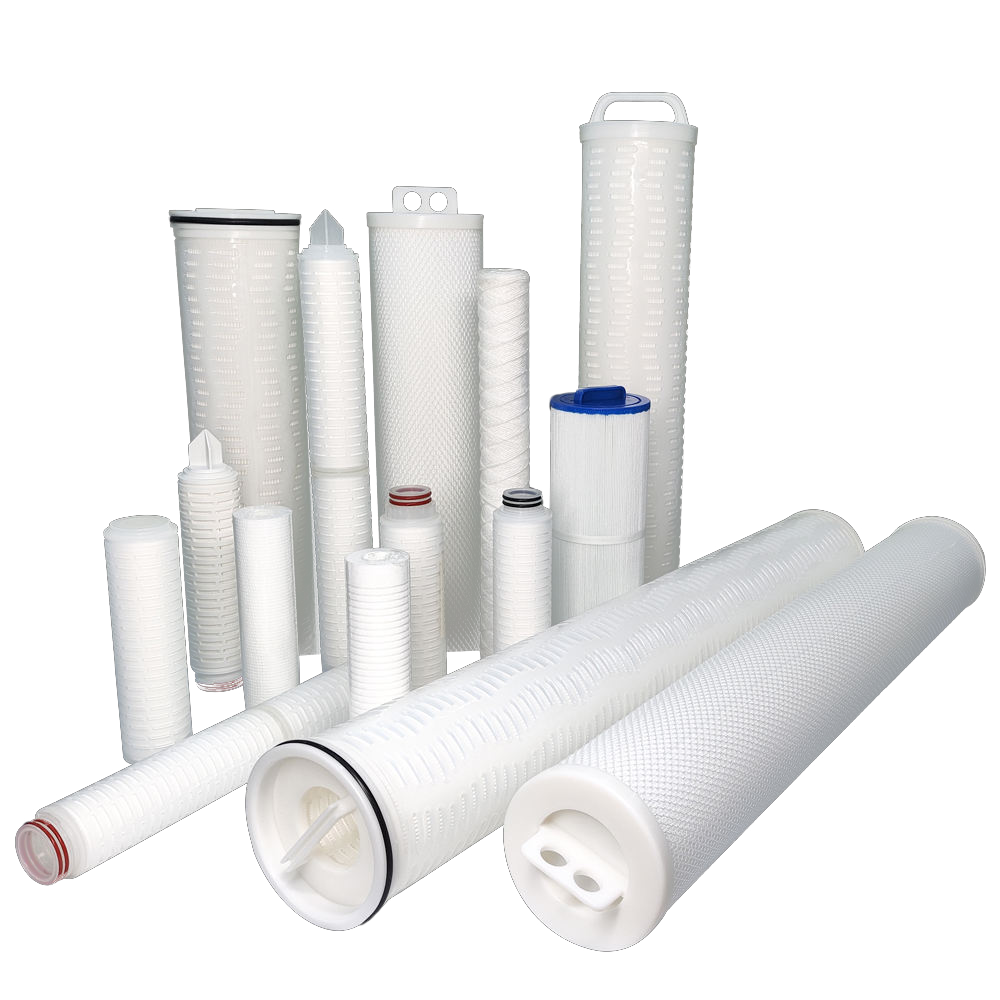
An experienced manufacturer typically serves multiple industries.
Common filtration applications include:
Used for removing suspended solids, sediments, and microorganisms in industrial and municipal water systems.
High-purity filtration is required to maintain sterile production environments.
Filtration ensures product clarity and prevents contamination.
Filters remove particles that could damage equipment or contaminate chemical products.
Manufacturers with extensive industry experience can better understand specific filtration challenges and recommend suitable solutions.
Reliable supply is critical for continuous industrial operations.
Important factors to consider include:
Large manufacturers with advanced production lines can often provide shorter delivery times and stable supply.
For companies purchasing filter cartridges in large quantities, consistent production capacity is particularly important.
Technical support is often overlooked when choosing a filter cartridge supplier, but it can significantly impact system performance.
A good manufacturer should offer services such as:
Technical expertise helps customers optimize filtration systems and improve overall process efficiency.
Selecting the right filter cartridge manufacturer requires more than simply comparing prices. By asking the right questions about filtration efficiency, materials, certifications, customization capabilities, and quality control processes, buyers can identify reliable suppliers and avoid costly mistakes.
A professional manufacturer will not only provide high-quality filter cartridges but also offer technical support, customization services, and stable product supply.
Before making your next purchase, consider using these 10 essential questions to evaluate potential suppliers and ensure your filtration system performs efficiently and reliably.