filtration

Email Address

sales@filtercartridgetech.com

Phone Number

(+86) 15057941949

Our Location

Zhejiang, China

A Complete Guide to Filter Cartridge End Cap Configurations (222, 226, DOE, Fin, Flat)

Introduction to Filter Cartridge End Cap

Filter cartridges are essential components in water treatment, chemical processing, pharmaceuticals, and food & beverage industries. While much attention is paid to filter media, the end cap configuration plays a crucial role in ensuring proper sealing, flow efficiency, and compatibility with housings. This guide covers the most common end cap types – 222, 226, DOE, Fin, and Flat – helping you choose the right one for your application.

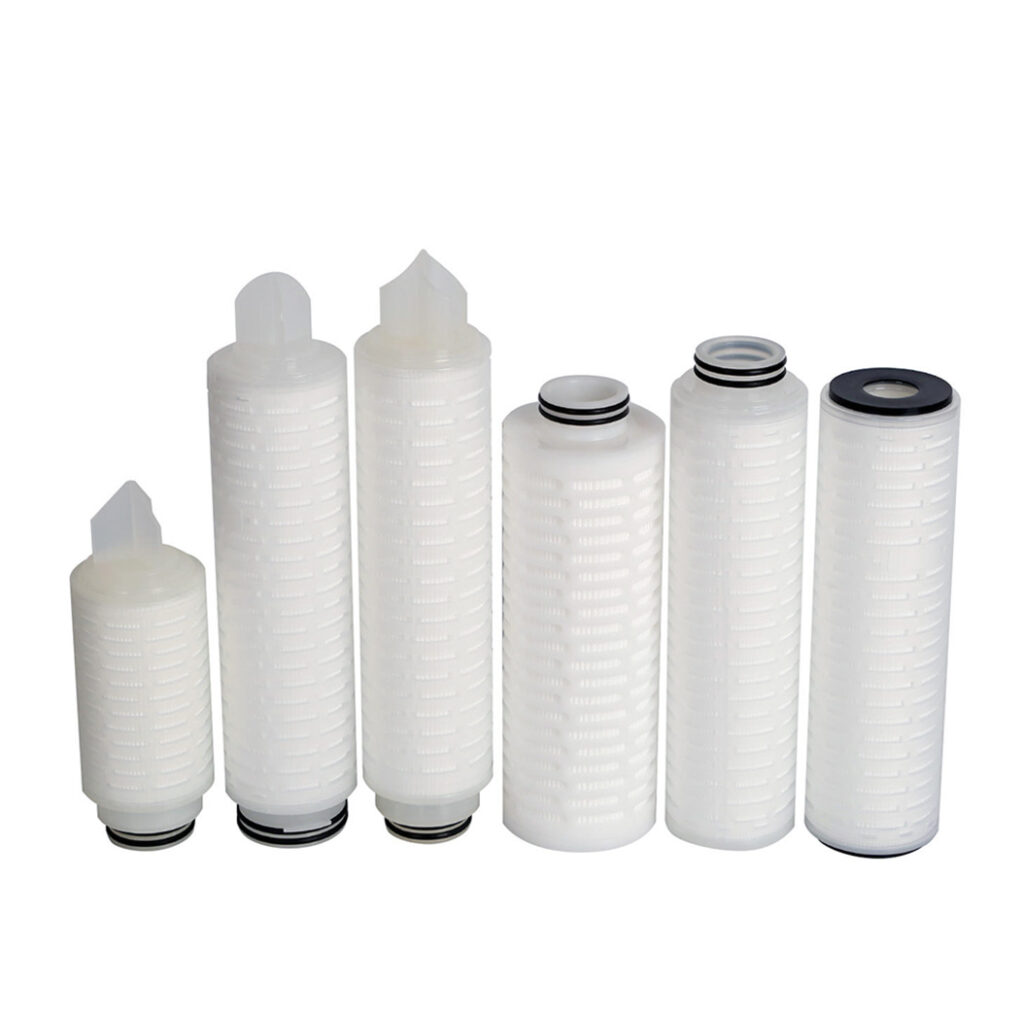
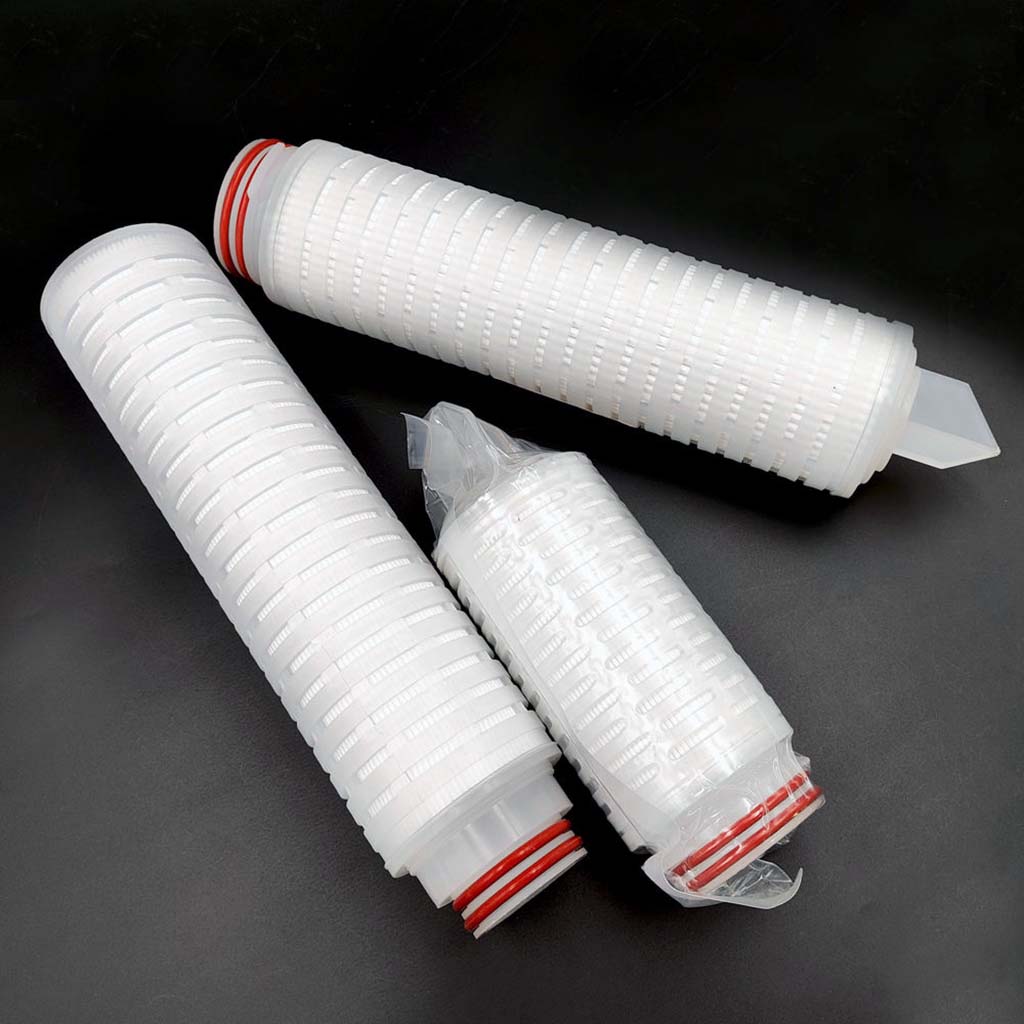
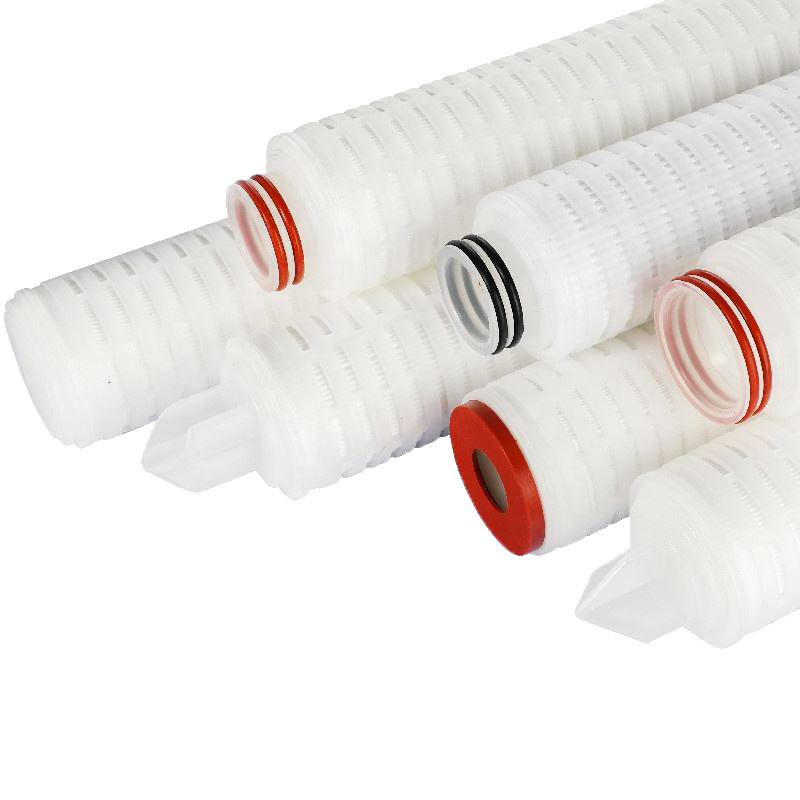
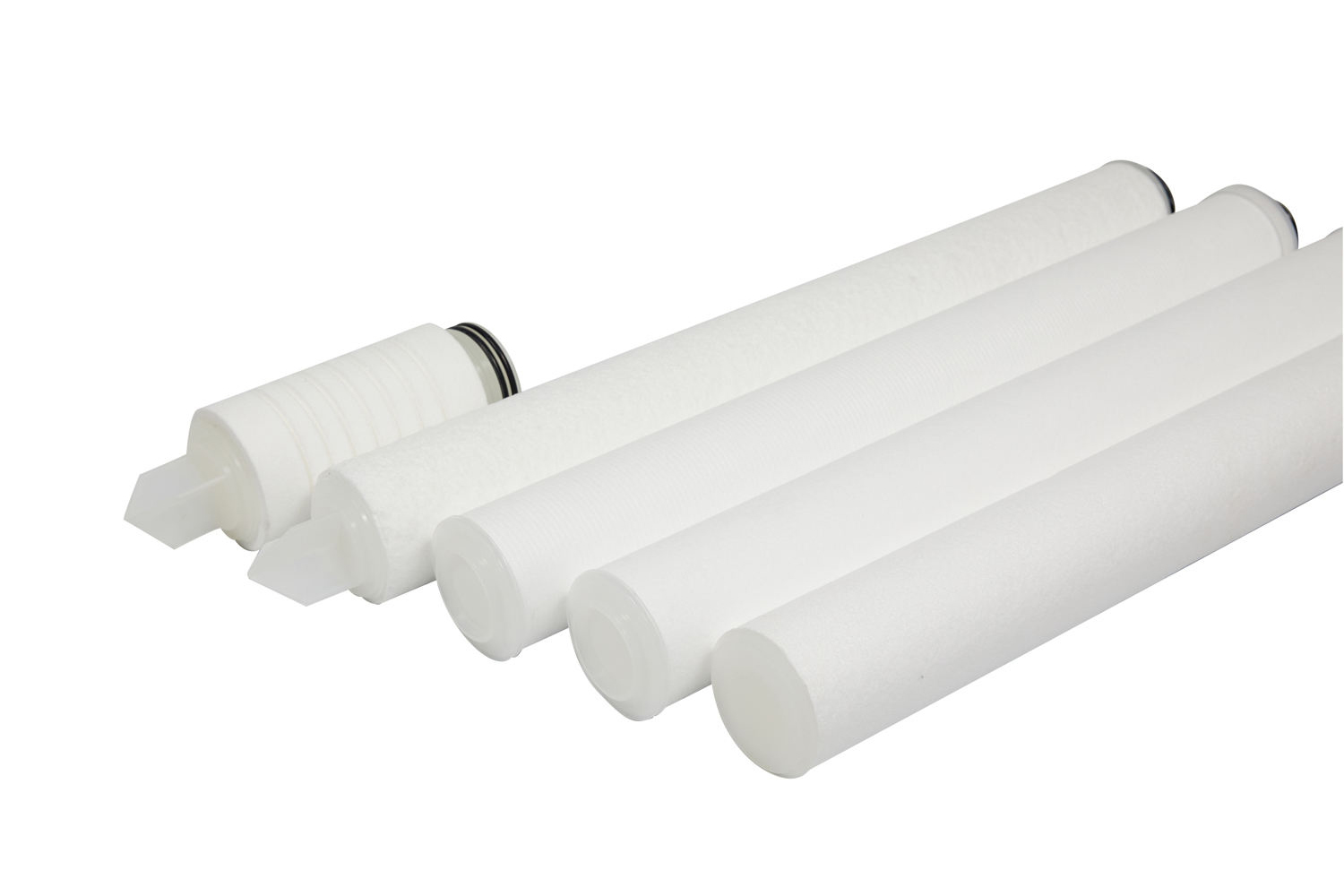
types of filter end caps for pleated filter cartridge

Top End Cap Configurations Explained

222 End Cap

The 222 end cap is widely used in standard filter housings. Its design features two O-rings and a center hole for secure fitting.

  • Material Options: PP, PVDF, SS304, SS316
  • Applications: Water purification, beverage filtration, general industrial liquids
  • Advantages: Reliable sealing, easy installation, compatible with many housings

226 End Cap

The 226 end cap is an upgraded version of the 222 type. It is distinguished by its slightly larger O-ring groove and improved mechanical stability.

  • Material Options: PP, PVDF, SS304, SS316
  • Applications: High-purity water, pharmaceutical liquids, chemical liquids
  • Advantages: Superior sealing, high-pressure tolerance, often interchangeable with 222 in some housings

DOE (Double Open End)

The DOE end cap has both ends open, allowing it to fit into housings without internal adapters.

  • Material Options: PP, PVDF, SS304
  • Applications: Water treatment, ultrafiltration pre-filtration, general industrial fluids
  • Advantages: Maximizes flow rate, cost-effective, easy to replace

Fin End Cap

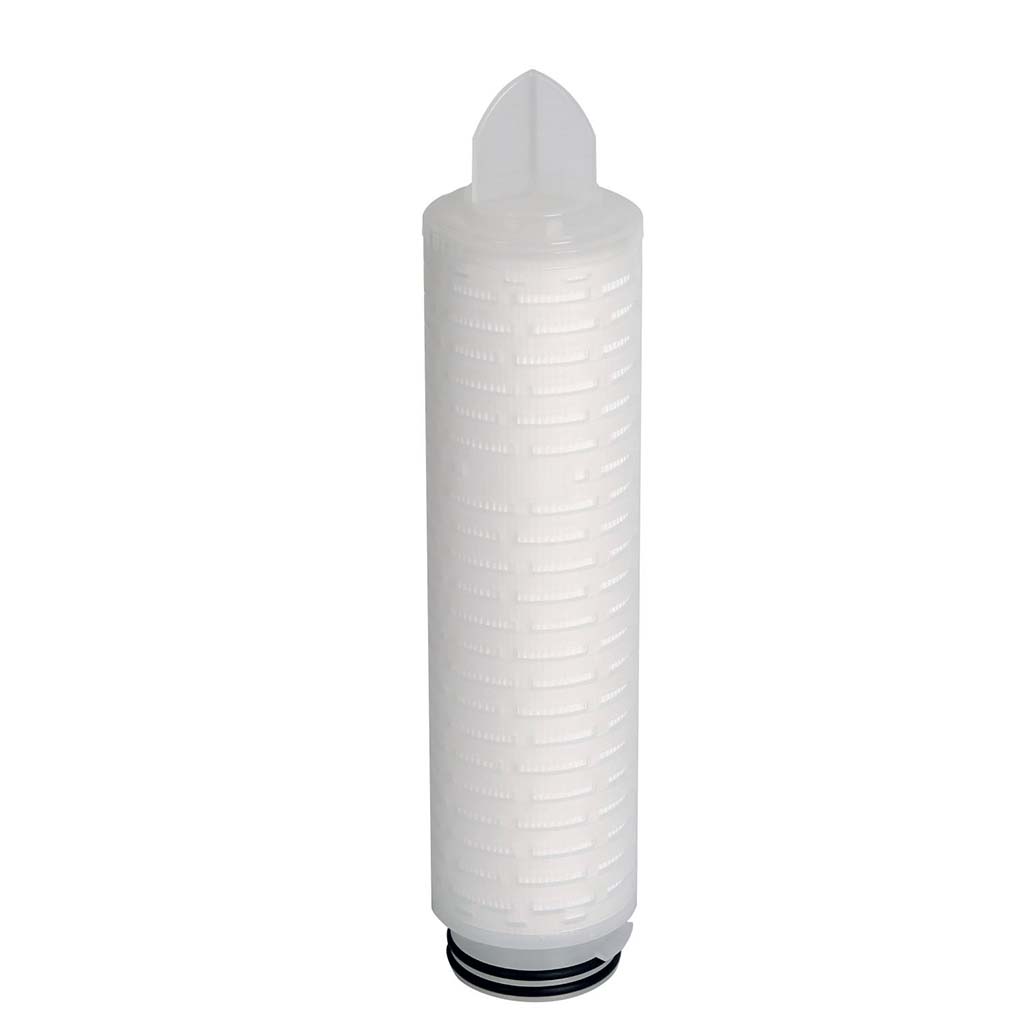
Fin end caps feature a raised central structure or “fin” that provides additional sealing or flow guidance inside the housing.

  • Material Options: PP, PVDF
  • Applications: High-precision filtration in chemical, pharmaceutical, or microelectronics industries
  • Advantages: Enhanced stability, improved sealing under high flow conditions

Flat End Cap

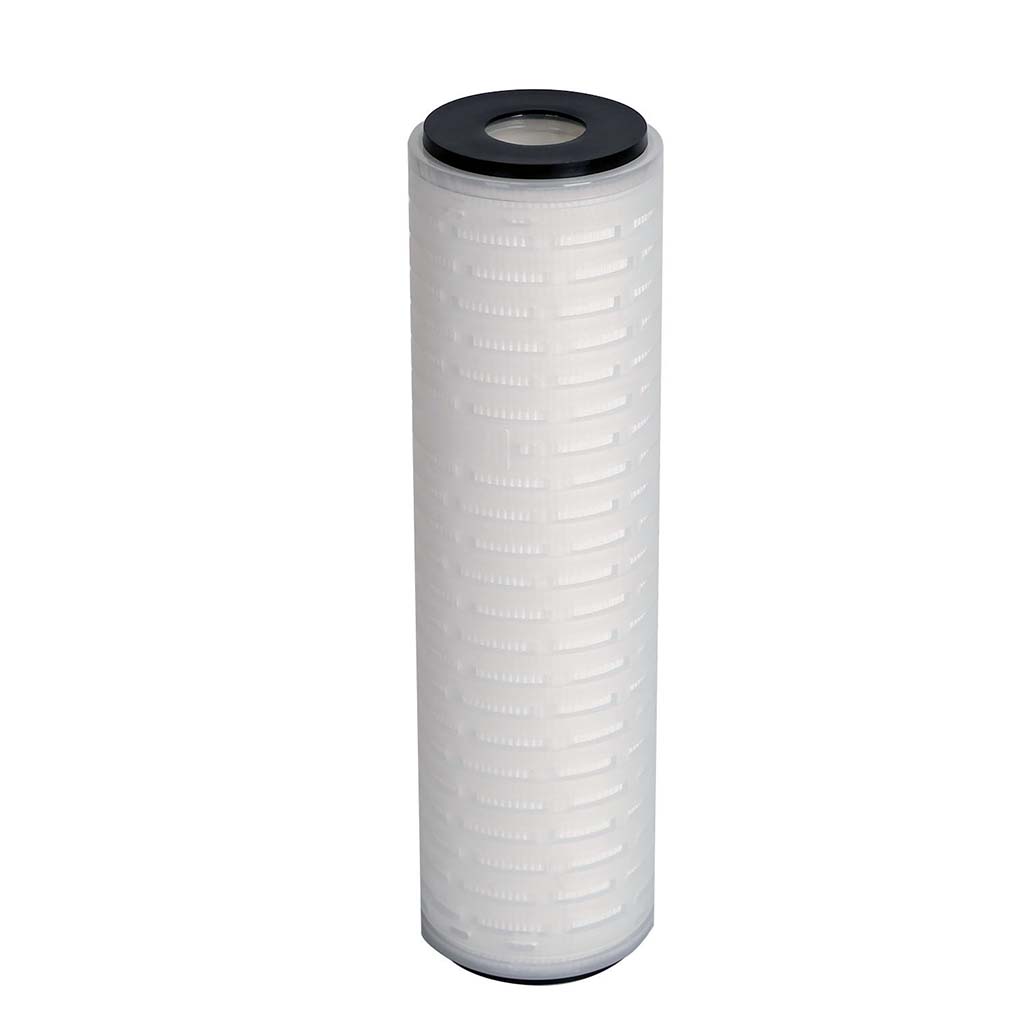
Flat end caps are simple, single-piece designs with no O-rings, often used in low-pressure applications.

  • Material Options: PP, PVDF
  • Applications: Low-pressure water treatment, food & beverage, laboratory applications
  • Advantages: Simple and cost-effective, easy to clean

Types of Filter Cartridges We Offer

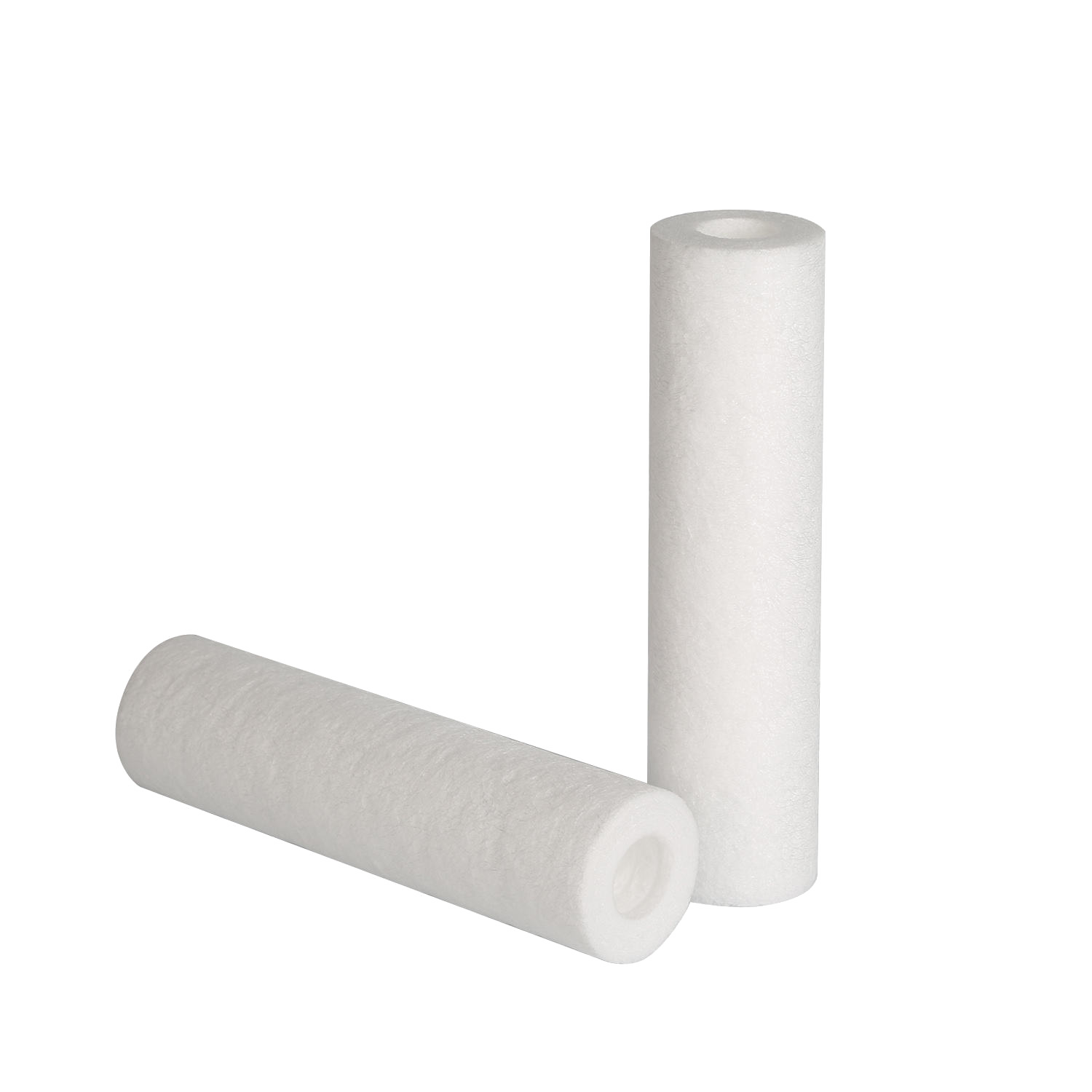
Different filtration requirements call for different filter cartridge designs. The three most commonly used cartridge technologies in water treatment systems are depth filter cartridges, pleated filter cartridges, and high flow filter cartridges.

Comparison Table for Quick Reference

End Cap TypeO-RingMaterialCommon ApplicationsAdvantages
222DualPP / PVDF / SSWater, beverageReliable sealing, widely compatible
226Dual, larger groovePP / PVDF / SSHigh-purity water, pharmaHigh-pressure tolerance, stable
DOENone / optionalPP / PVDF / SSWater treatment, pre-filtrationMax flow, cost-effective
FinOptionalPP / PVDFChemical, pharmaEnhanced sealing, stability
FlatNonePP / PVDFLow-pressure liquidsSimple, low-cos

Pros and Cons of Each End Cap Type

  • 222: ✅ Reliable, widely compatible | ❌ Slightly lower pressure tolerance than 226
  • 226: ✅ High stability and pressure tolerance | ❌ Slightly higher cost than 222
  • DOE: ✅ Maximum flow and low cost | ❌ Requires DOE-compatible housing
  • Fin: ✅ Enhanced sealing and stability | ❌ More complex design, higher cost
  • Flat: ✅ Simple and cost-effective | ❌ Not suitable for high-pressure or aggressive liquids
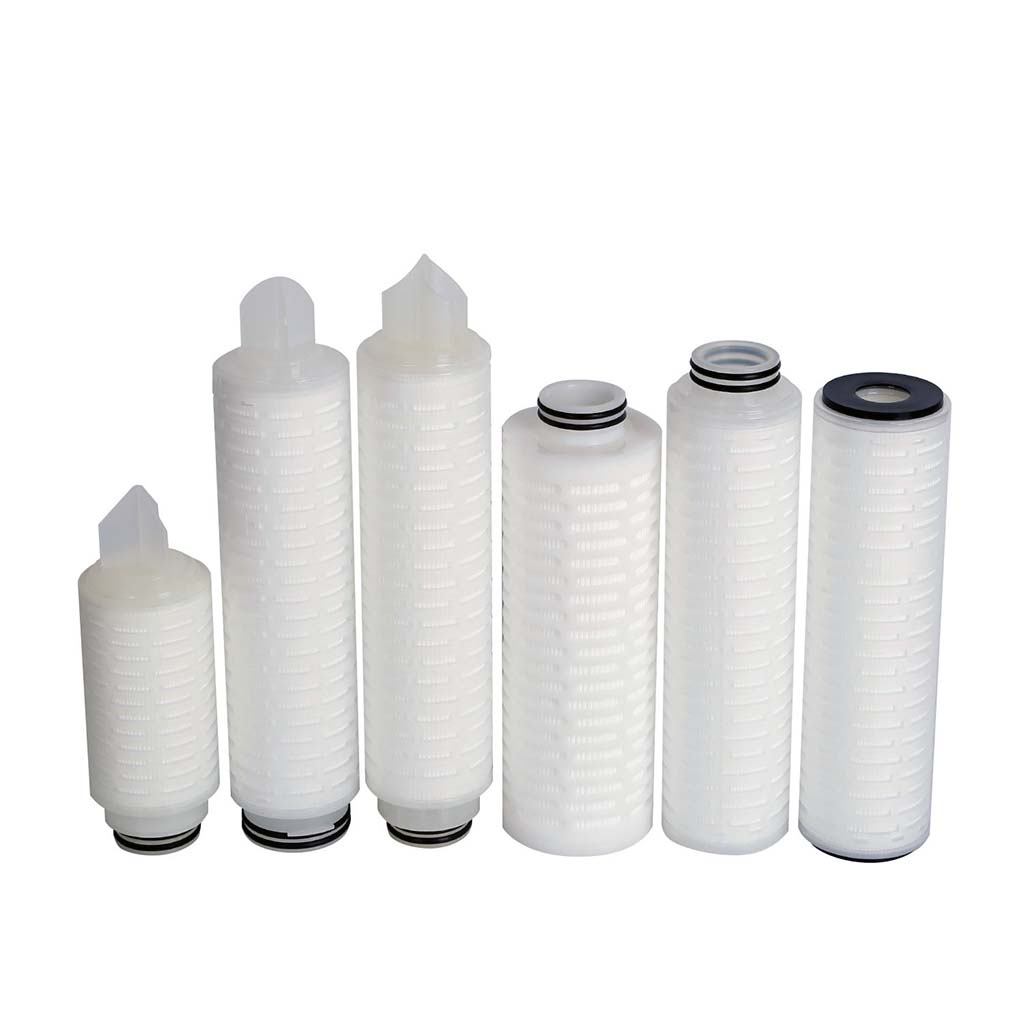
Pleated filter cartridge end caps 222/fin, 226/flat, doe

Common Questions (FAQ Section)

Q1: Can 222 and 226 end caps fit the same housing?

  • In some housings, yes, but check groove size and O-ring compatibility to ensure a proper seal.

Q2: How to identify end cap type visually?

  • 222/226 have O-rings and grooves; DOE has open ends; Fin has a raised fin structure; Flat is smooth and solid.

Q3: Which end cap is best for chemical liquids?

  • PVDF material with 226 or Fin type is preferred for high chemical resistance and sealing reliability.

Q4: Can DOE filters be used in 222/226 housings?

  • Only if the housing is designed to accommodate DOE cartridges; otherwise, adapters are required.

Q5: How often should filter cartridges be replaced?

  • Depends on flow rate, pressure, and water quality; check pressure drop and manufacturer recommendations.

Installation Tips

  1. Always match the end cap type with the housing.
  2. Ensure O-rings are properly seated and lubricated if necessary.
  3. Avoid over-tightening housings to prevent deformation of PP or PVDF end caps.
  4. For high-purity or chemical liquids, pre-rinse filters before installation.

Industry Recommendations

  • Water Treatment: 222, 226, DOE – standard and cost-effective
  • Pharmaceutical / Biotech: 226, Fin – high-purity and stable
  • Chemical Industry: PVDF 226 / Fin – chemical-resistant, durable
  • Food & Beverage: 222 / Flat – low-cost, safe for consumables

Conclusion

Choosing the right filter cartridge end cap is crucial for sealing, flow efficiency, and long-term performance.

  • 222 and 226: Most common, reliable for standard applications
  • DOE: Maximizes flow, suitable for water treatment and pre-filtration
  • Fin: Enhanced stability for high-precision or chemical applications
  • Flat: Simple, low-pressure use

✅ Always consider material compatibility, housing type, pressure, and flow requirements when selecting an end cap.

For custom advice or to select the best cartridge for your system, contact your supplier for recommendations based on your industry and operating conditions.

滚动至顶部