Email Address
sales@filtercartridgetech.com
Phone Number
(+86) 15057941949
Our Location
Zhejiang, China
sales@filtercartridgetech.com
(+86) 15057941949
Zhejiang, China
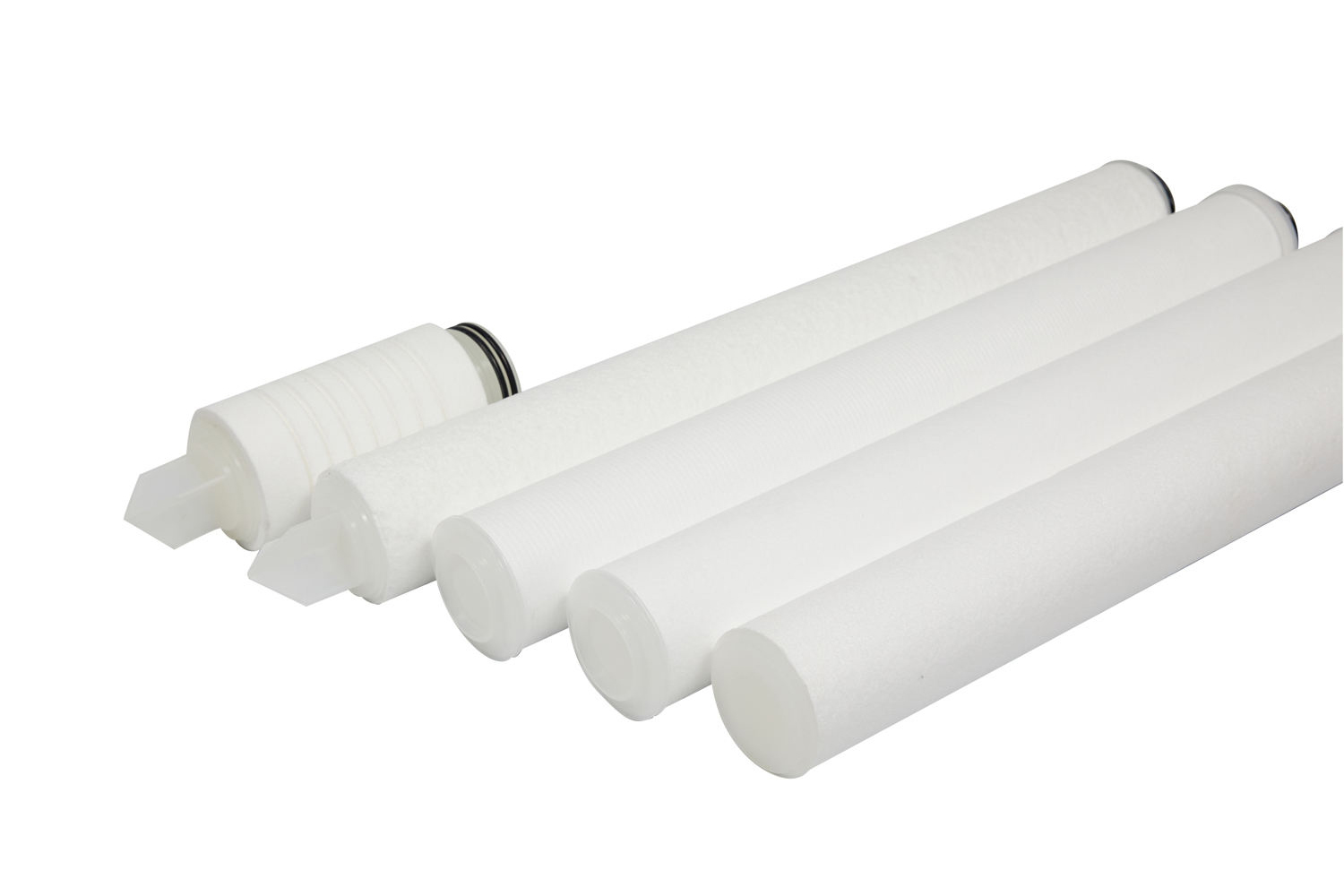
Melt blown filter cartridges are widely used in industrial filtration for liquids and gases. They are critical components in applications where particle removal and fluid cleanliness are essential.
In the world of melt blown filters, two types dominate: Absolute Melt Blown Filter Cartridge and Nominal Melt Blown Filter Cartridge. While both are made from polypropylene or other polymeric materials using melt-blown technology, their filtration performance, structural design, and applications differ significantly.
Understanding the differences between these two filter types is essential for engineers, procurement managers, and industrial water treatment specialists seeking high-efficiency filtration solutions.
Keywords: melt blown filter cartridge, absolute filter, nominal filter, industrial filtration
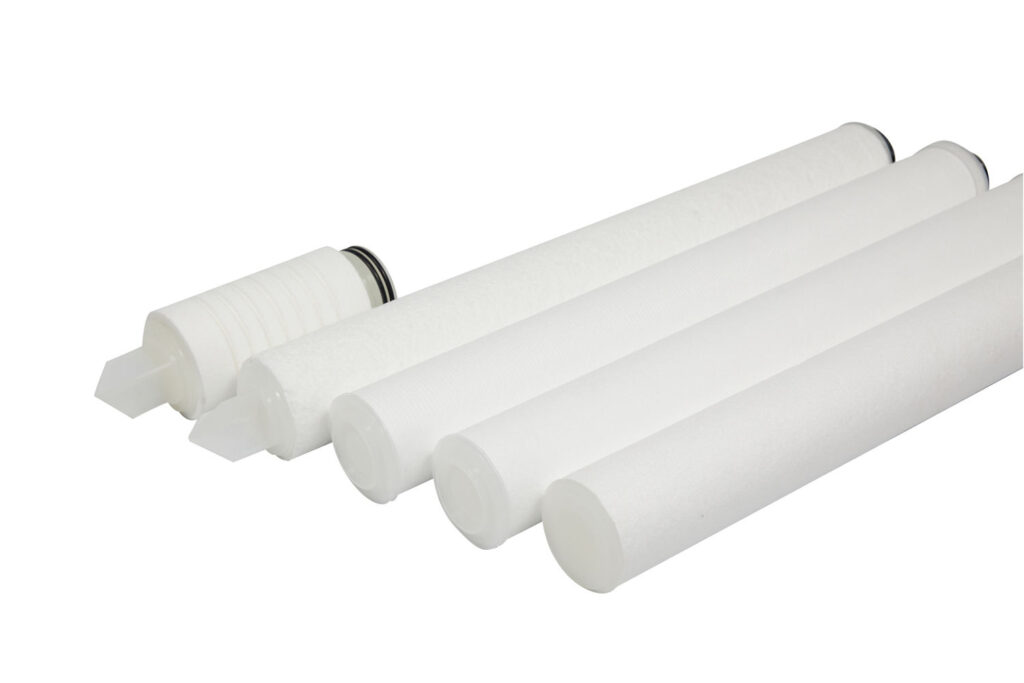
An Absolute Melt Blown Filter Cartridge is designed to remove nearly all particles above a defined size, typically achieving 99% to 99.9% filtration efficiency. The absolute rating ensures that no more than a small fraction of particles larger than the stated micron size pass through the filter.
These filters are usually tested with a Beta Ratio (β) test, where a β5000 rating indicates that for every 5000 particles entering the filter, only 1 particle passes. This high-precision standard makes absolute filters ideal for demanding industrial applications.
Keywords: absolute melt blown filter, 99% filter efficiency, beta ratio test
Absolute melt blown filters incorporate structural enhancements to achieve high filtration efficiency:
These structural features ensure stable performance, reduced risk of contamination downstream, and longer service life.
Absolute melt blown filters are widely used in applications that demand high particle removal efficiency:
Keywords: absolute melt blown filter for RO, industrial water filtration, chemical filtration
A Nominal Melt Blown Filter Cartridge is rated to remove a percentage of particles at a specific size, typically 85–95% efficiency. The term “nominal” reflects that the filter can allow some particles larger than the stated micron size to pass through.
This type of filter is adequate for general-purpose industrial filtration, where extremely precise particle removal is not critical.
Nominal melt blown filters have simpler structures:
Nominal filters are suitable for less demanding applications:
Keywords: nominal melt blown filter, general-purpose filtration, pre-filtration
Different filtration requirements call for different filter cartridge designs. The three most commonly used cartridge technologies in water treatment systems are depth filter cartridges, pleated filter cartridges, and high flow filter cartridges.
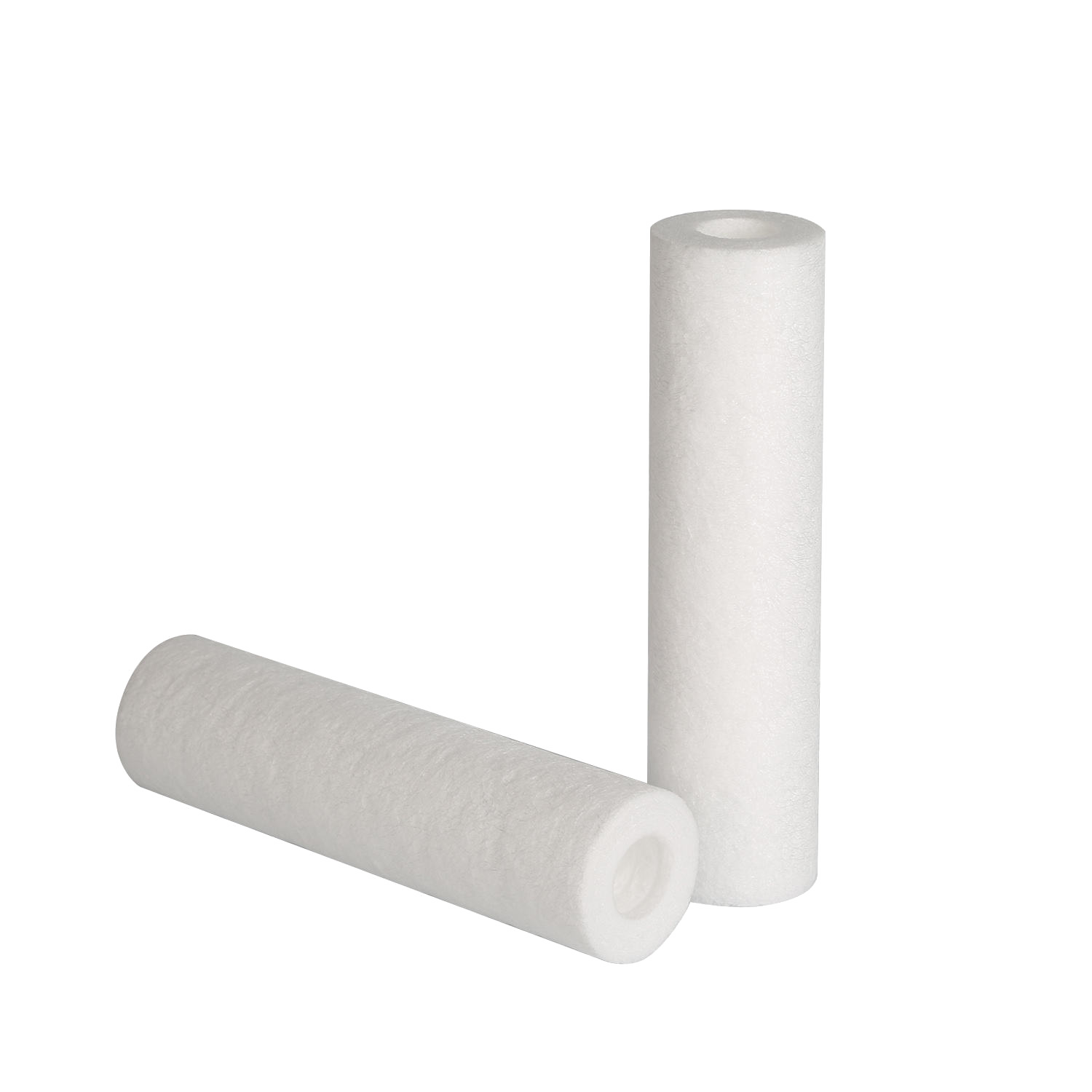
Depth filter cartridges are designed to capture contaminants throughout the entire thickness of the filter media. These filters are typically made from materials such as polypropylene melt blown fibers or string wound fibers.
Because of their layered structure, depth filters provide excellent dirt holding capacity, allowing them to trap large amounts of suspended particles without quickly clogging.
Depth filter cartridges are widely used as pre-filtration in water treatment systems to remove large particles before fine filtration stages. They are particularly suitable for:
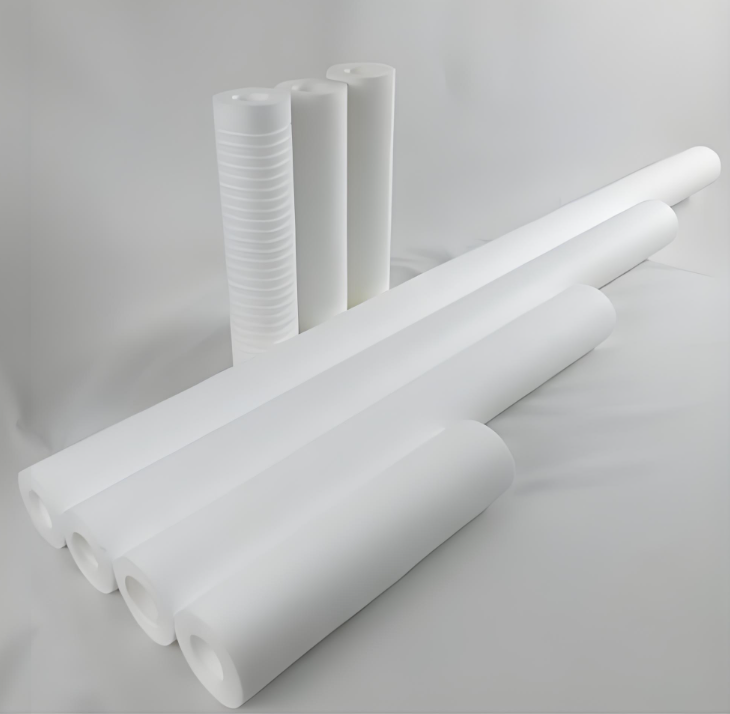
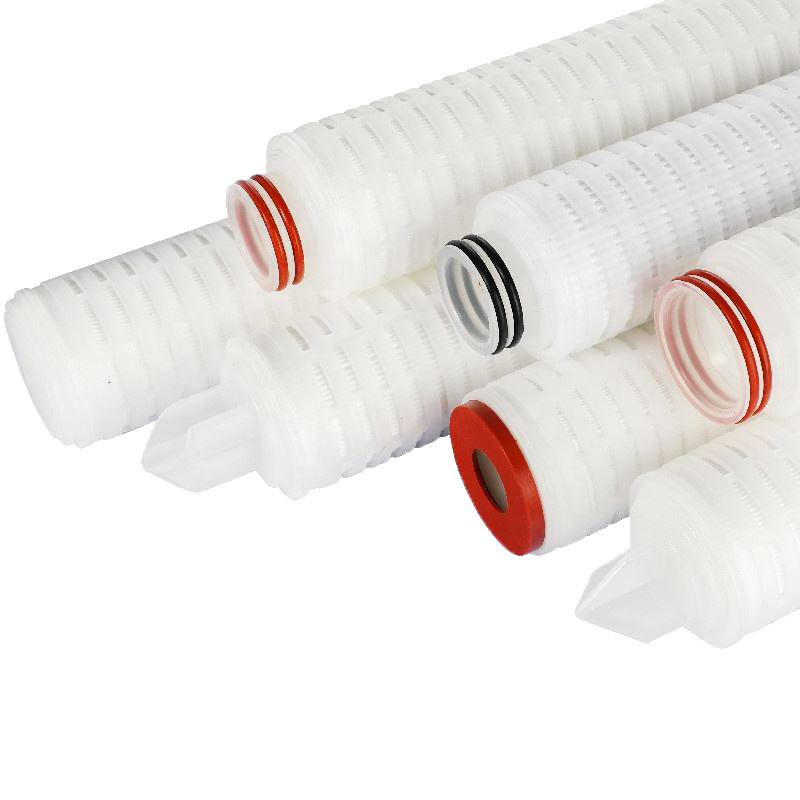
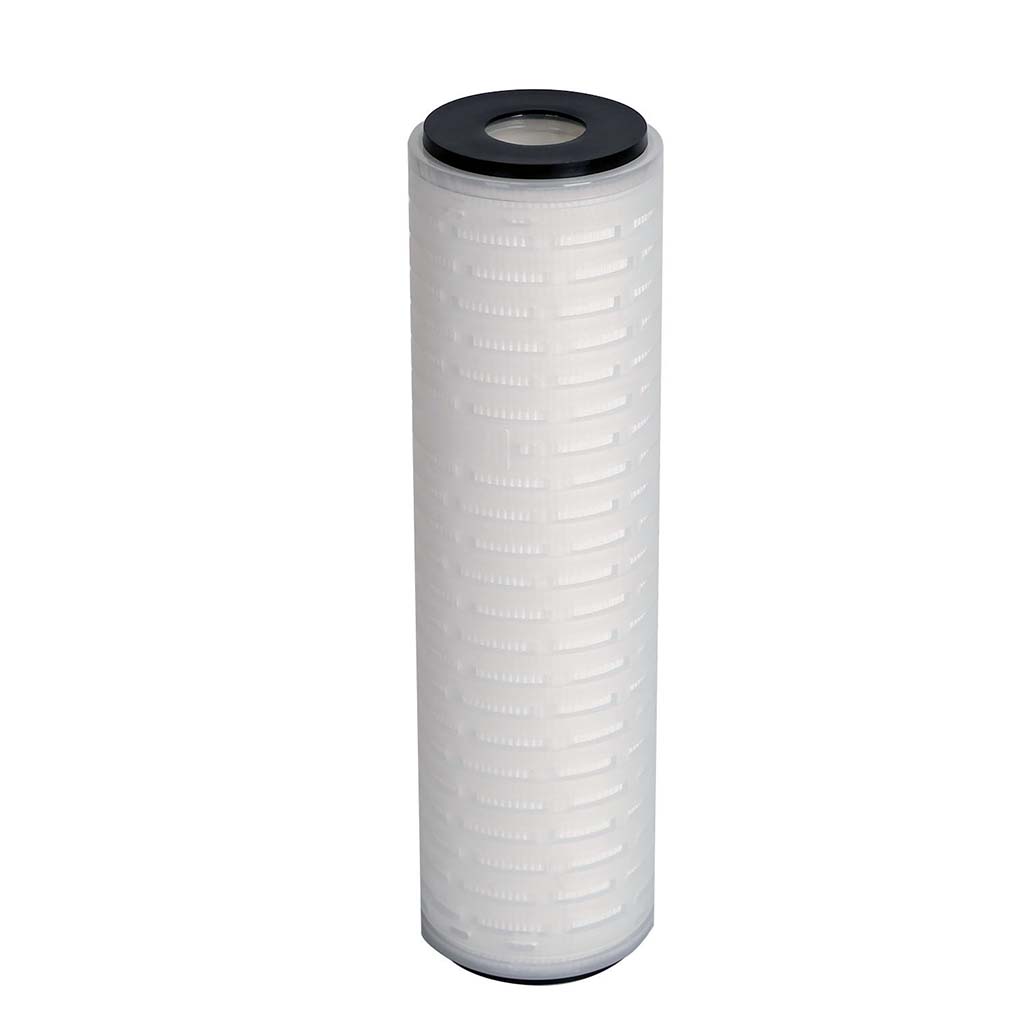
A PP pleated filter cartridge is a filtration element made from polypropylene filter media arranged in a pleated structure to increase filtration surface area and efficiency.
For most water treatment applications, 5 micron and 10 micron filters are commonly used to remove suspended solids and fine particles.
The lifespan of a filter cartridge depends on the contamination level, flow rate, and operating conditions. In many applications, the filter is replaced when the pressure drop reaches the recommended limit.
Some PP pleated filters can be cleaned and reused in certain applications, but most are designed for single-use replacement to ensure consistent filtration performance.