Email Address
sales@filtercartridgetech.com
Phone Number
(+86) 15057941949
Our Location
Zhejiang, China
sales@filtercartridgetech.com
(+86) 15057941949
Zhejiang, China
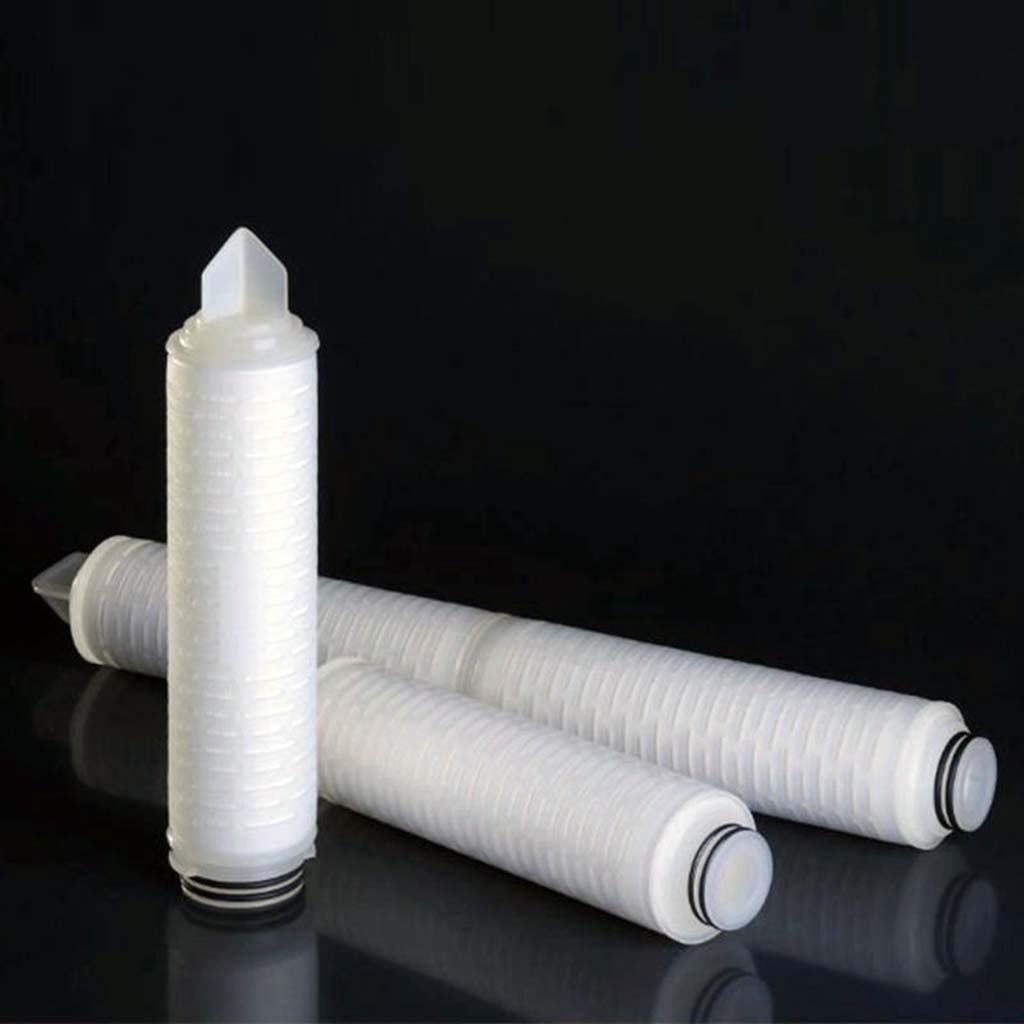
In many industrial filtration systems, choosing the right filter cartridge is critical to maintaining system performance, improving product quality, and reducing operating costs. Among various filtration products available today, PP pleated filter cartridges have become one of the most widely used filtration solutions due to their high efficiency, chemical resistance, and large filtration area.
Polypropylene pleated filter cartridges are commonly used in industries such as water treatment, food and beverage processing, pharmaceuticals, microelectronics, and chemical manufacturing. Their pleated structure provides a larger filtration surface compared with conventional filter cartridges, allowing them to capture more contaminants while maintaining a low pressure drop.
However, selecting the right PP pleated filter cartridge is not always straightforward. Different filtration requirements, operating conditions, and system configurations require careful consideration before purchasing a filter cartridge.
In this article, we will explore five key factors to consider when buying PP pleated filter cartridges, helping you choose the most suitable filtration solution for your system.
One of the most important factors when selecting a PP pleated filter cartridge is the filtration rating, also known as the micron size.
The micron rating refers to the size of particles that the filter cartridge can effectively remove from the fluid. A lower micron rating indicates a higher filtration precision.
Common micron ratings for PP pleated filter cartridges include:
For example:
Choosing the correct micron rating ensures that contaminants are effectively removed while maintaining an optimal flow rate.
If the filtration precision is too high, it may cause excessive pressure drop and frequent filter replacement. If it is too low, the filtration efficiency may not meet the required standards.
Different filtration requirements call for different filter cartridge designs. The three most commonly used cartridge technologies in water treatment systems are depth filter cartridges, pleated filter cartridges, and high flow filter cartridges.
The quality of the filter material directly affects the filtration performance and lifespan of the filter cartridge.
PP pleated filter cartridges are typically made from 100% polypropylene materials, including:
Using polypropylene offers several advantages:
Polypropylene has strong resistance to acids, alkalis, and many chemicals, making it suitable for a wide range of industrial applications.
High-quality polypropylene filters do not release fibers into the filtered liquid, ensuring product purity.
Because polypropylene materials are non-toxic and chemically stable, they are widely used in food processing, pharmaceutical production, and drinking water filtration.
Another important aspect is the manufacturing process. High-quality PP pleated filters are usually produced using thermal bonding technology instead of adhesives, which reduces the risk of contamination and improves structural integrity.
The pleated structure is the defining feature of pleated filter cartridges and plays a major role in determining filtration performance.
Compared with traditional depth filters, pleated filters provide a much larger filtration surface area within the same cartridge size.
A larger filtration area provides several advantages:
For example, a well-designed pleated filter cartridge can have several times the filtration area of a standard melt-blown filter cartridge.
The performance of a pleated filter cartridge also depends on the quality of the pleat design, including:
A well-designed pleat structure prevents the filter media from collapsing under high pressure and ensures consistent filtration performance.
Before purchasing a PP pleated filter cartridge, it is essential to evaluate the operating conditions of the filtration system.
Different applications may involve different temperatures, pressures, and types of fluids.
Polypropylene filter cartridges typically operate within a temperature range of:
Up to approximately 80°C (176°F)
Exceeding the recommended temperature may damage the filter media and reduce filtration efficiency.
Another key consideration is the maximum differential pressure the filter cartridge can withstand.
When the pressure drop across the filter exceeds the recommended limit, the cartridge should be replaced to prevent damage.
Although polypropylene is resistant to many chemicals, it may not be suitable for certain organic solvents. Always confirm compatibility between the filter material and the liquid being filtered.
Properly evaluating operating conditions ensures stable filtration performance and prevents premature filter failure.
The reliability of the filter cartridge manufacturer is another critical factor when making a purchasing decision.
Choosing a reputable supplier ensures consistent product quality and long-term supply stability.
Experienced manufacturers typically have better production technology and quality control systems.
Reliable suppliers implement strict quality inspections throughout the production process to ensure consistent filtration performance.
Different filtration systems may require customized filter cartridges. Professional manufacturers usually offer OEM and customization services such as:
Working with a reliable manufacturer also ensures better technical support and faster delivery times.
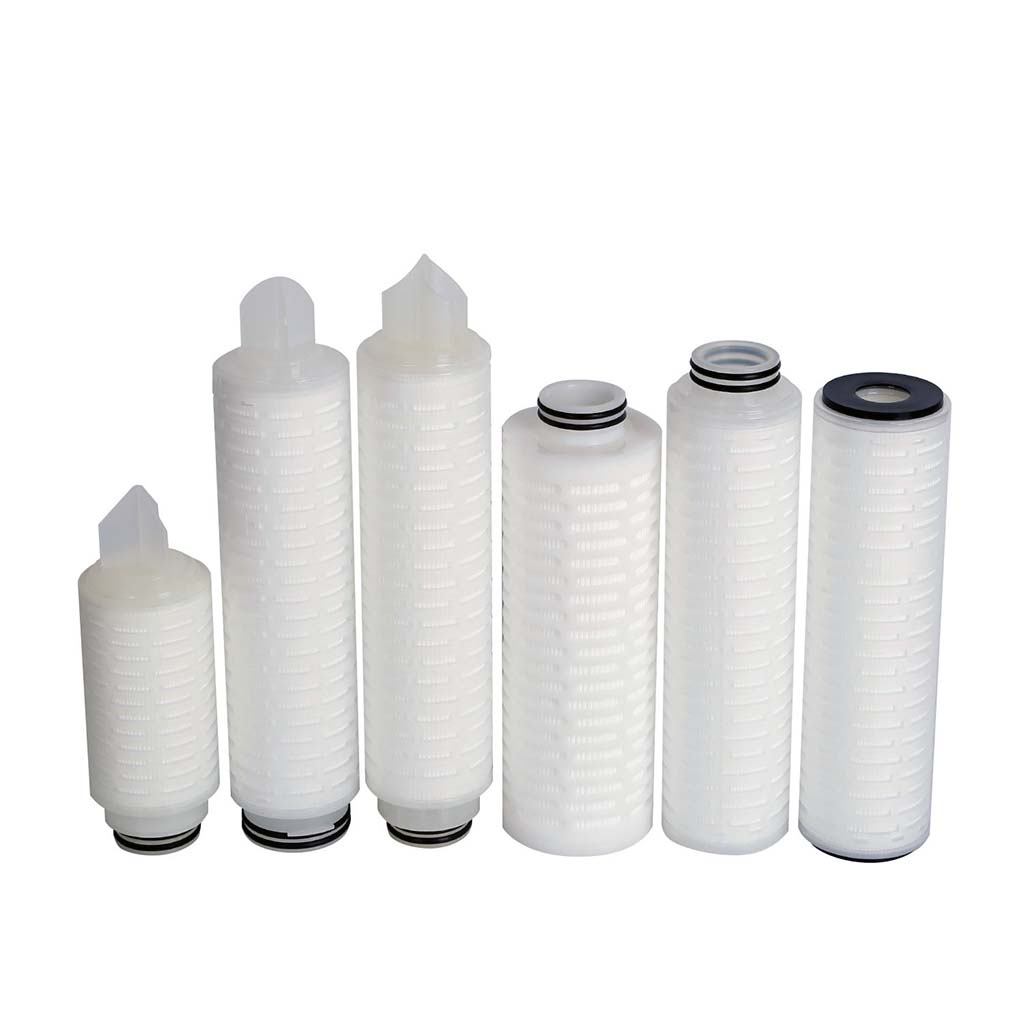
PP pleated filter cartridges are widely used in many industries due to their versatility and high filtration efficiency.
They are commonly used in:
In the food industry, pleated filters are used for:
Pharmaceutical manufacturing requires strict filtration standards, and PP pleated filters are often used for:
In semiconductor manufacturing and microelectronics production, ultra-clean water is essential. Pleated filters help remove fine particles from process water.
Pleated filter cartridges are also widely used for filtering chemicals, solvents, and industrial fluids.
Selecting the right PP pleated filter cartridge is essential for ensuring efficient filtration, protecting downstream equipment, and reducing maintenance costs.
When purchasing a filter cartridge, it is important to carefully evaluate the following five factors:
By considering these key factors, businesses can choose the most suitable PP pleated filter cartridge for their specific applications and ensure optimal filtration performance.
A PP pleated filter cartridge is a filtration element made from polypropylene filter media arranged in a pleated structure to increase filtration surface area and efficiency.
For most water treatment applications, 5 micron and 10 micron filters are commonly used to remove suspended solids and fine particles.
The lifespan of a filter cartridge depends on the contamination level, flow rate, and operating conditions. In many applications, the filter is replaced when the pressure drop reaches the recommended limit.
Some PP pleated filters can be cleaned and reused in certain applications, but most are designed for single-use replacement to ensure consistent filtration performance.