Email Address
sales@filtercartridgetech.com
Phone Number
(+86) 15057941949
Our Location
Zhejiang, China
sales@filtercartridgetech.com
(+86) 15057941949
Zhejiang, China
In the world of industrial filtration, the strength of a filter is only as good as its weakest point. For many years, the “weak point” has been the method used to join the filter media, core, and end caps. While adhesive bonding was once the industry standard, Thermal Bonding has emerged as the superior choice for high-purity applications.
If you are sourcing PP pleated filter cartridges for critical processes, understanding the difference between these two methods is essential for ensuring product safety and system longevity.
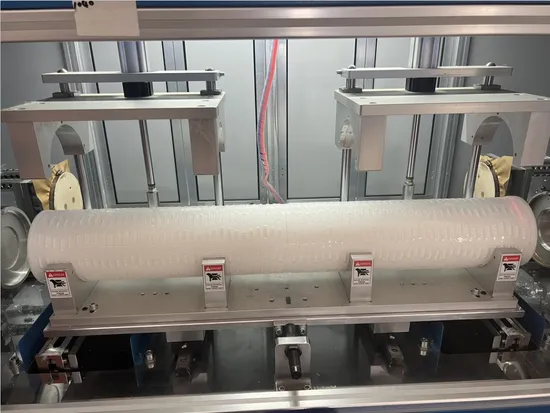
A filter cartridge is a multi-component assembly. To prevent bypass—where unfiltered liquid leaks through gaps—the pleat pack must be hermetically sealed to the end caps. If this seal fails, the entire filtration process is compromised. The method used to create this seal determines the filter’s chemical resistance, thermal stability, and purity level.
Adhesive bonding involves using a third-party substance—such as epoxy resins, polyurethanes, or hot-melt glues—to pot the filter media into the end caps.
While this method is cheaper to implement, it introduces several risks:
Leachables and Extractables: Chemicals from the glue can migrate into the filtrate.
Chemical Incompatibility: Certain solvents can soften or dissolve the adhesive, leading to structural collapse.
Temperature Sensitivity: Glues often lose their grip as temperatures rise, causing delamination.
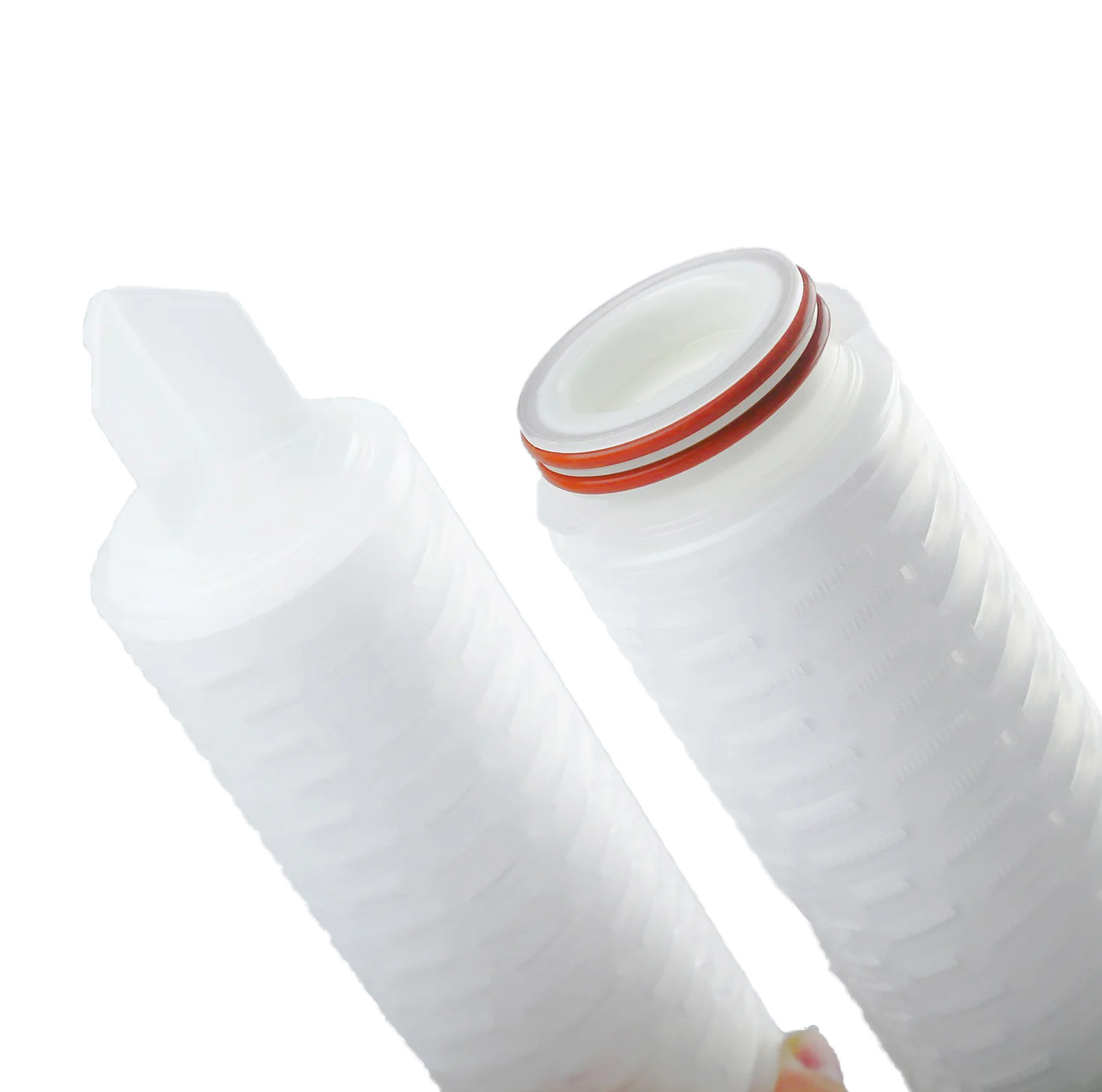
Thermal bonding is a sophisticated welding process that uses controlled heat to melt the surfaces of the filter components (all made from the same material, typically Polypropylene) and fuse them into a single, continuous structure.
The result is a molecular bond created without any foreign substances. At ECONE Filtech, we use high-precision infrared and heat-plate welding to ensure a 100% leak-proof seal.
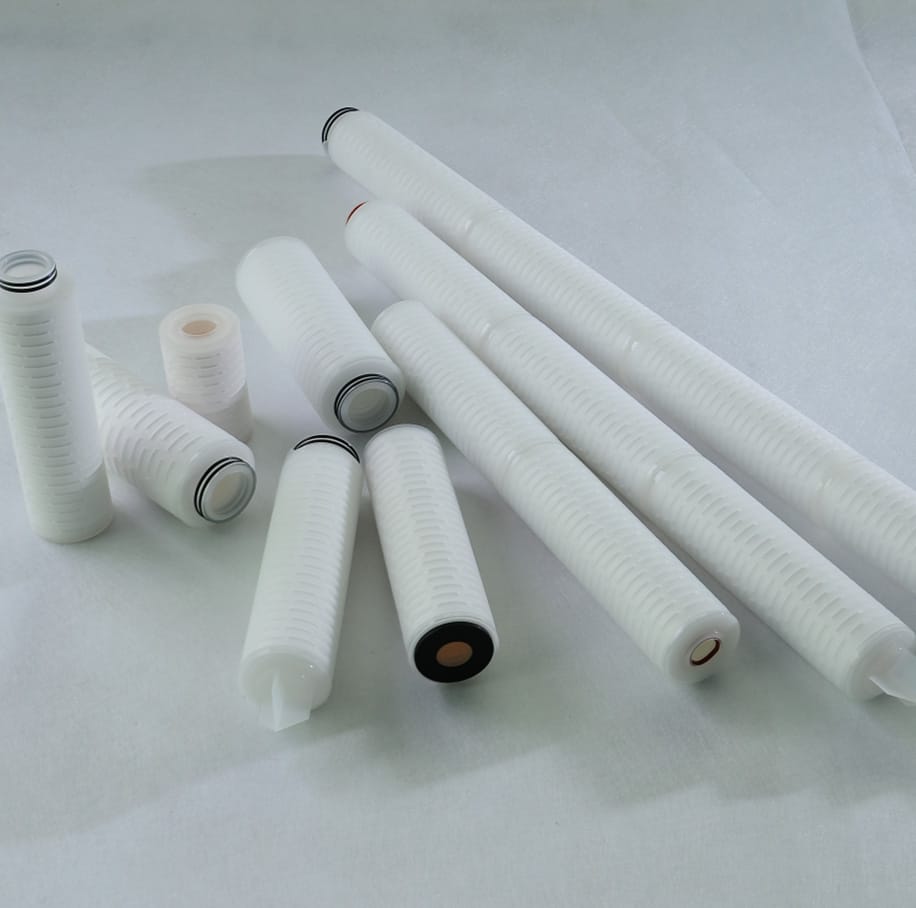
Because there are no glues, binders, or surfactants, there is nothing to leach into your product. This is a “must-have” for the pharmaceutical and semiconductor industries where even parts-per-billion (ppb) contamination can cause failure.
By using thermal bonding, the entire cartridge remains 100% Polypropylene. You don’t have to worry about whether a specific solvent will attack the glue; if the chemical is compatible with PP, it is compatible with the entire filter.
Thermally bonded filters can withstand much higher operating temperatures and repeated sterilization cycles (like Autoclaving or Steam-in-Place) without the risk of the end caps popping off.
A fused bond is often stronger than the material itself. It provides superior resistance to pressure shocks and back-pulsing, ensuring the filter remains intact under fluctuating flow conditions.
Thermal bonding simplifies regulatory compliance. It is the easiest way to ensure your filters meet FDA CFR Title 21 and USP Class VI standards for plastic biosafety.
| Feature | Adhesive Bonding | Thermal Bonding (ECONE) |
| Media Purity | Risk of chemical leaching | 100% Pure (No Additives) |
| Bond Strength | Relies on glue adhesion | Permanent Molecular Fusion |
| Solvent Resistance | Limited by adhesive type | Same as Polypropylene |
| Heat Resistance | Poor (Glue may soften) | Excellent (Up to 90°C) |
| Industry Fit | Low-end industrial water | Pharma, Food, Electronics |
Food & Beverage: Protects the flavor profile of beer and wine by eliminating “glue-taste” or chemical aftertastes.
Pharmaceuticals: Ensures zero extractables during sterile filtration of vaccines or active ingredients.
Microelectronics: Prevents organic contamination that can ruin expensive silicon wafers.
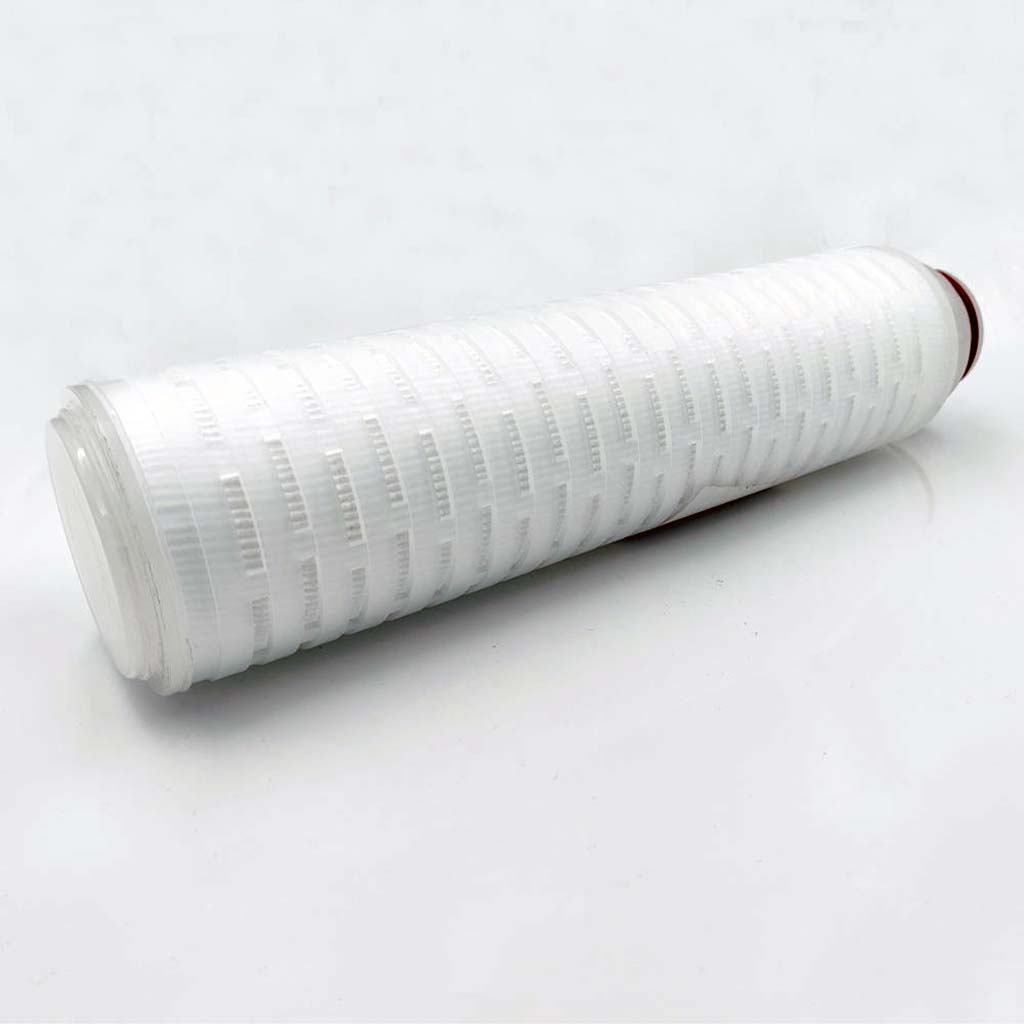
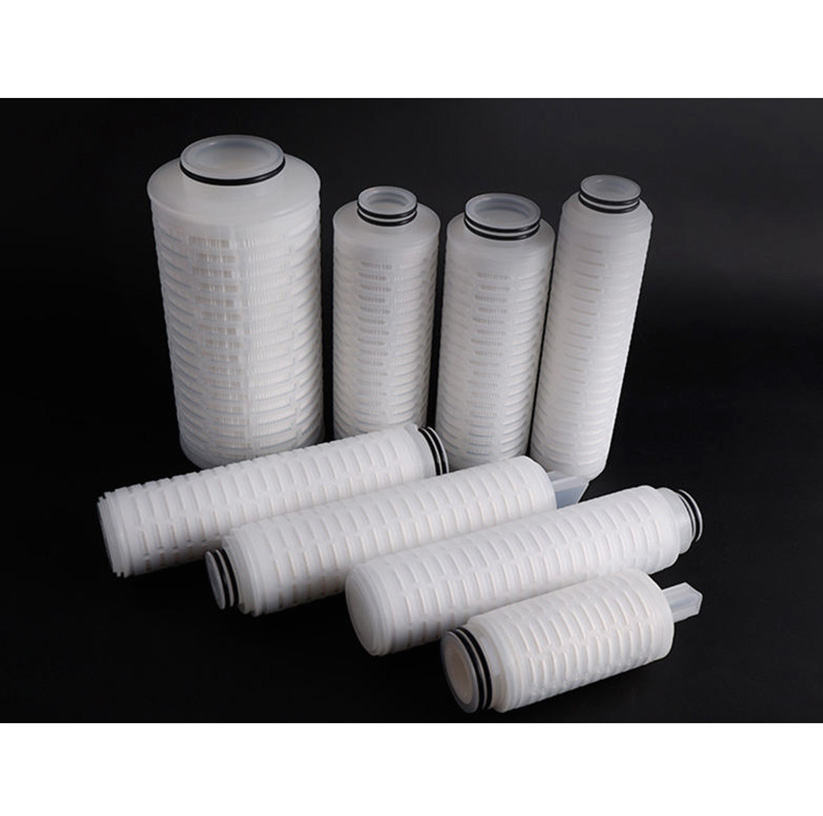
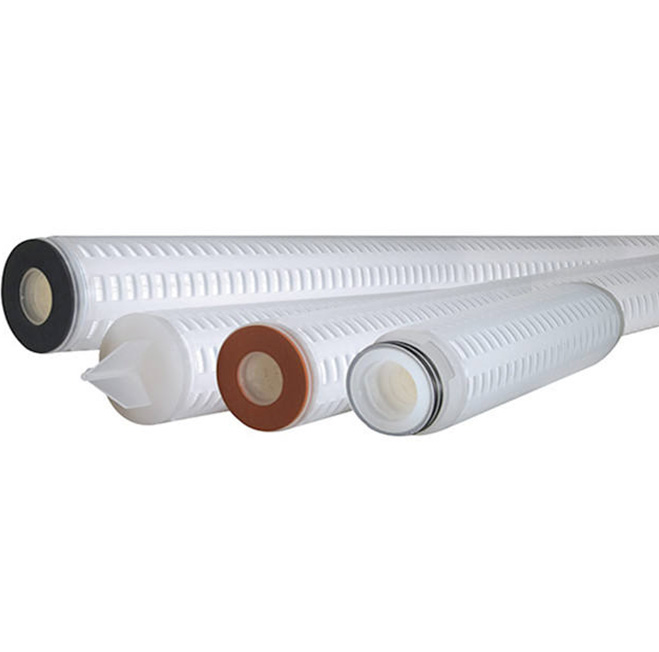
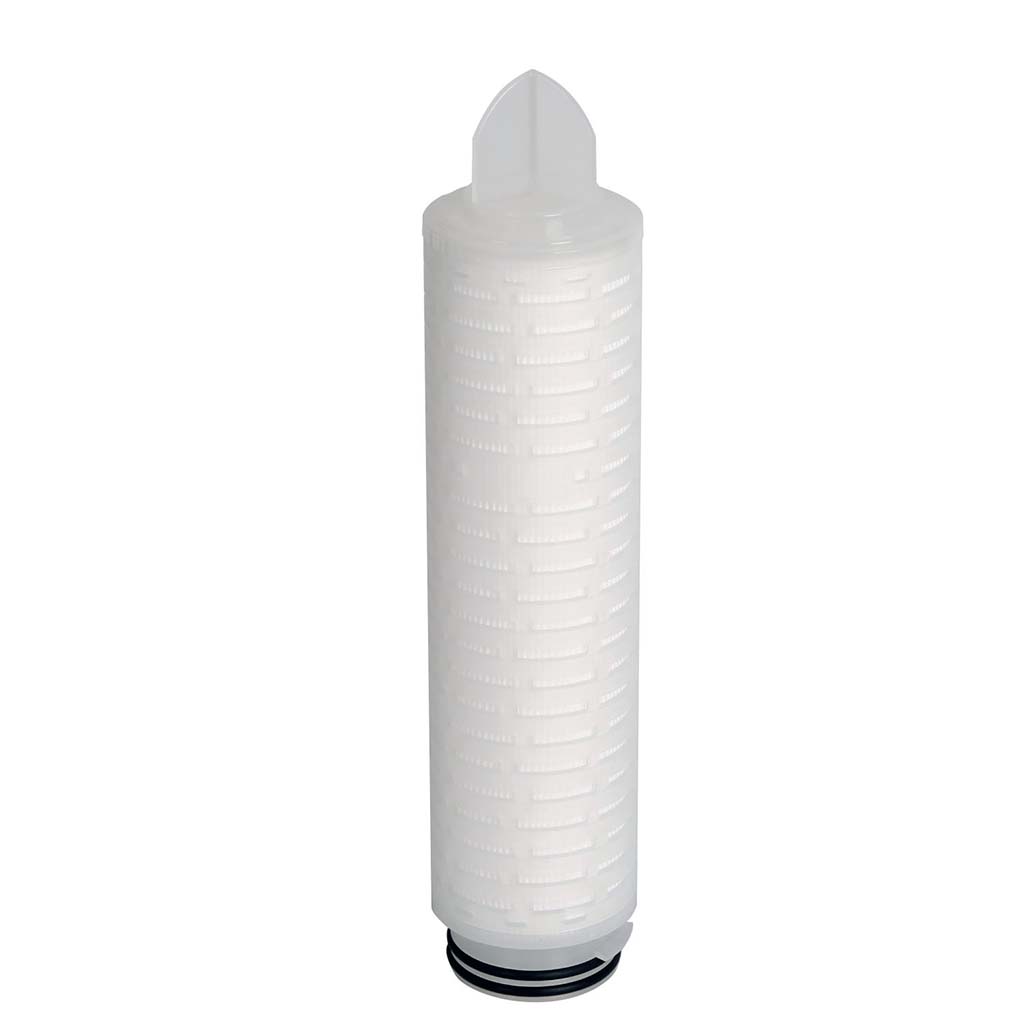
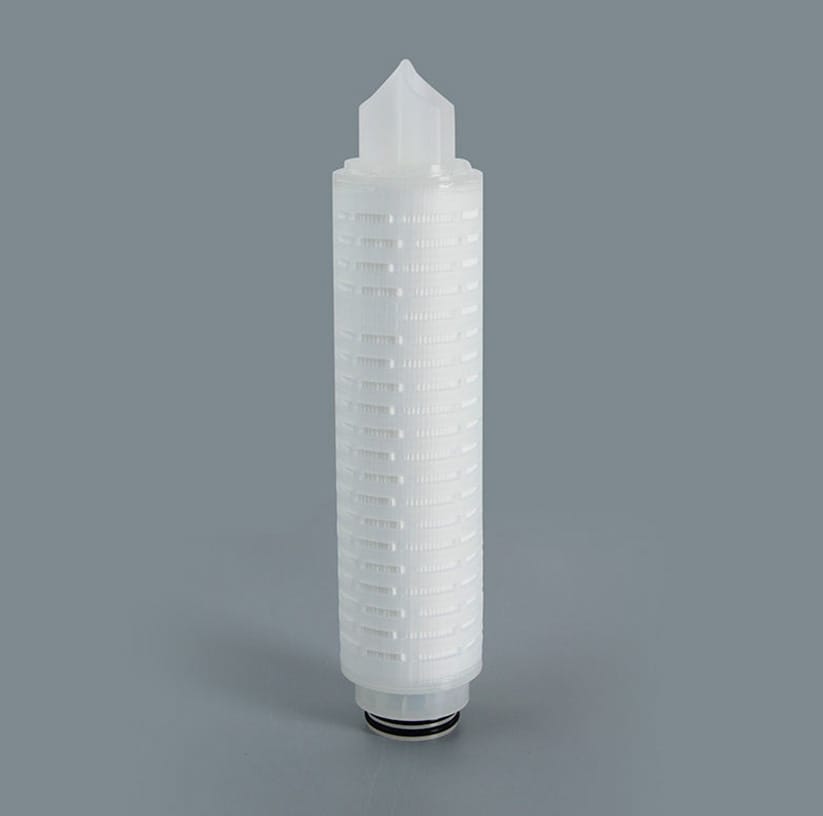
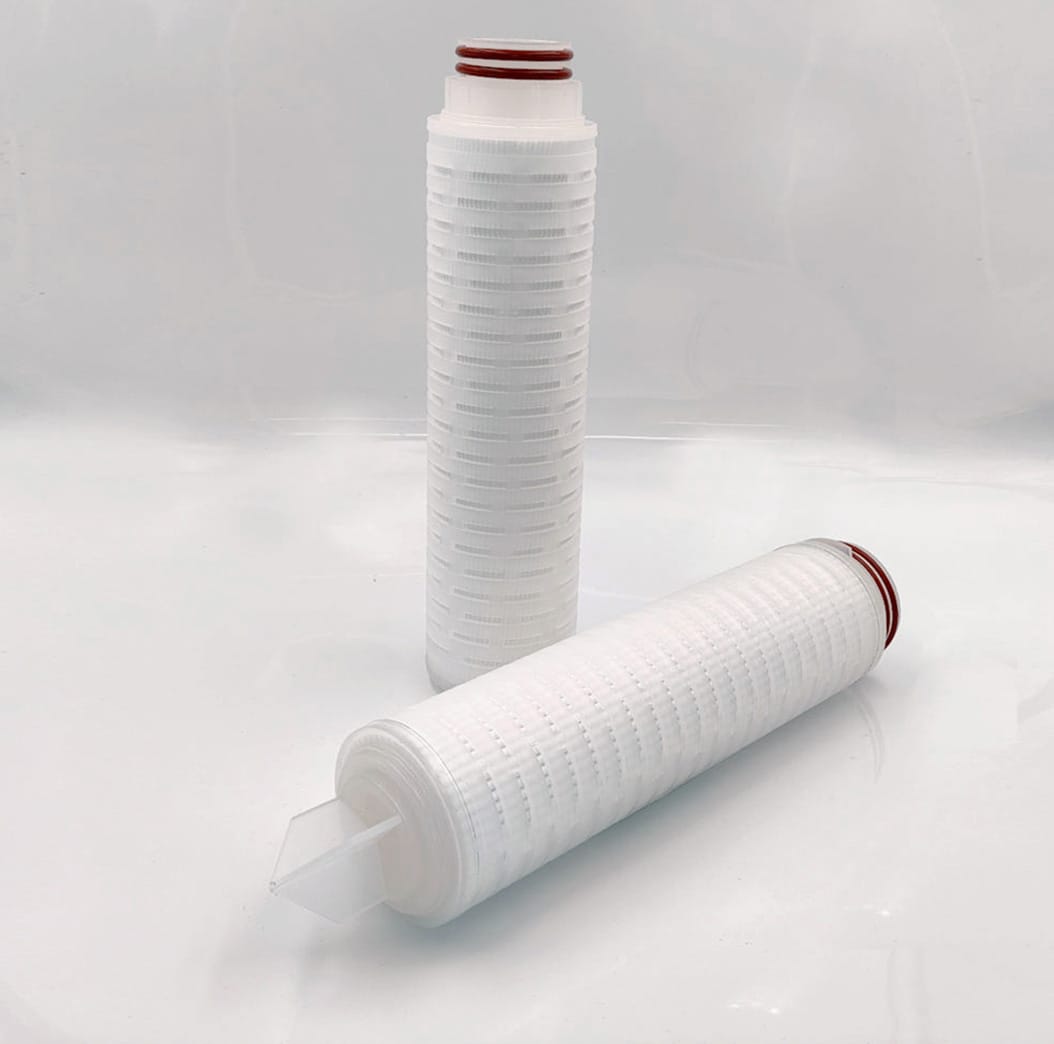
At ECONE Filtration, we don’t just weld and ship. Every thermally bonded [PP pleated filter] undergoes rigorous Integrity Testing, including Bubble Point and Diffusive Flow tests, to guarantee that the bond is perfect and your process is safe.
While adhesive-bonded filters might save you a few cents upfront, the hidden costs of product contamination or filter failure are far greater. For peace of mind and technical excellence, thermal bonding is the only choice.
Ready to upgrade your filtration quality?
Q: Can thermally bonded filters be reused?
A: Yes, their robust construction allows for multiple cleaning and sterilization cycles, making them more cost-effective in the long run than disposable glued filters.
Q: Is thermal bonding available for all micron ratings?
A: Absolutely. From 0.1μm to 100μm, all of our high-performance PP pleated filters utilize thermal bonding technology.