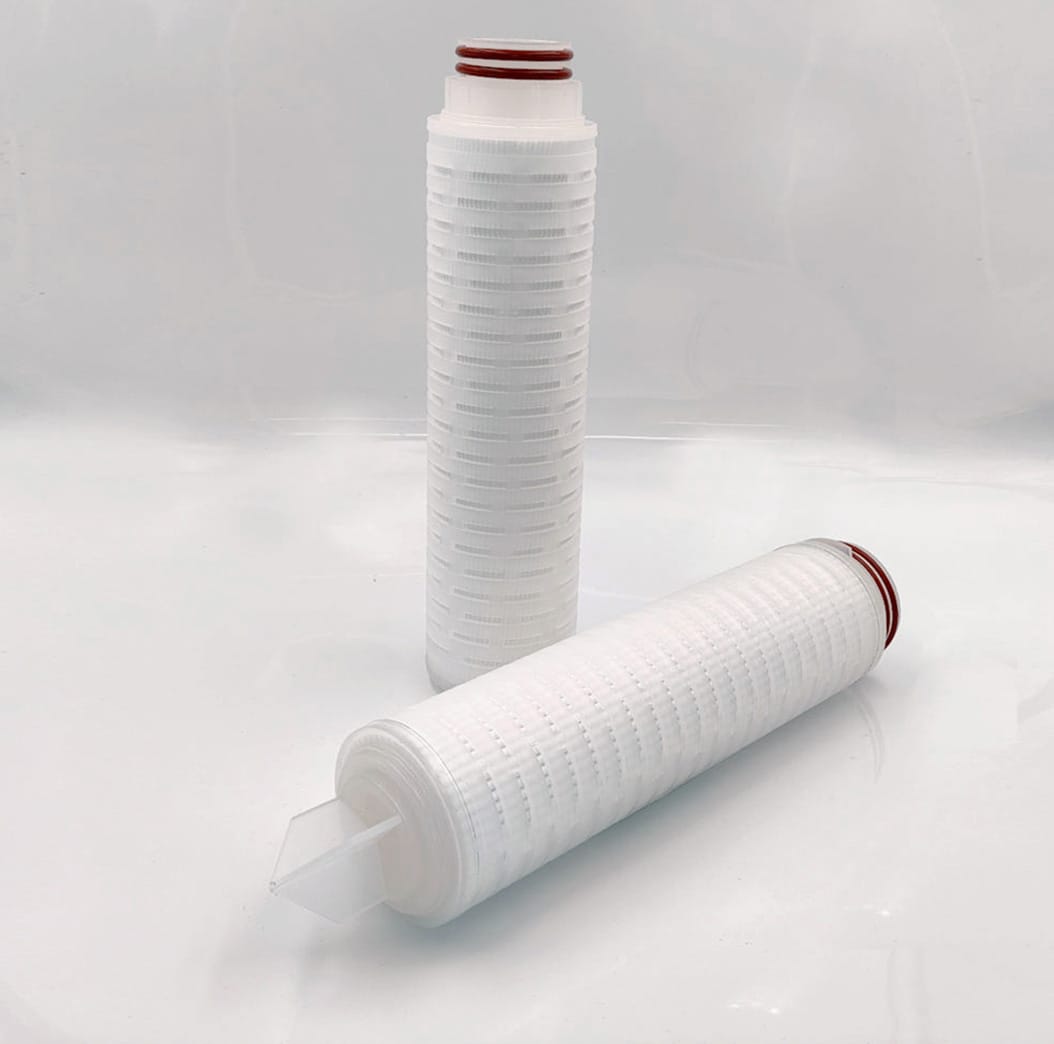
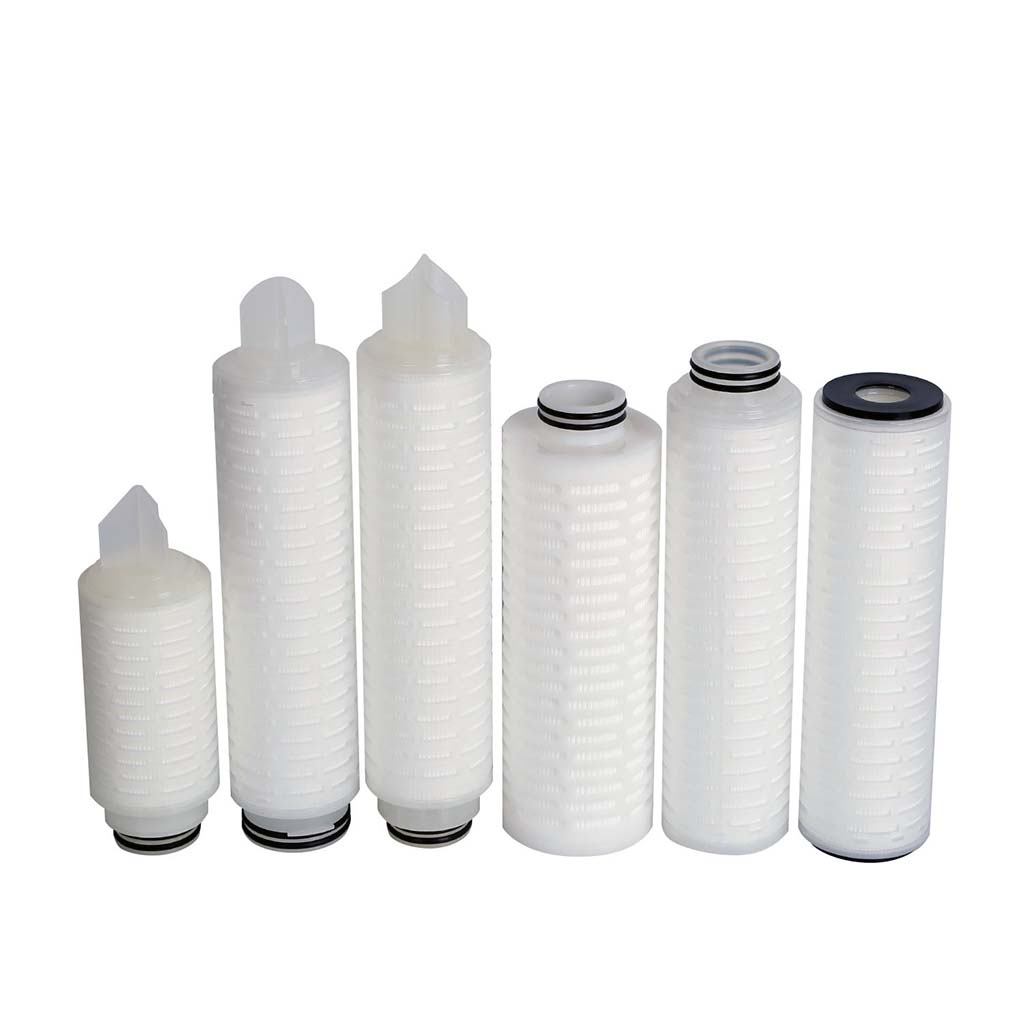
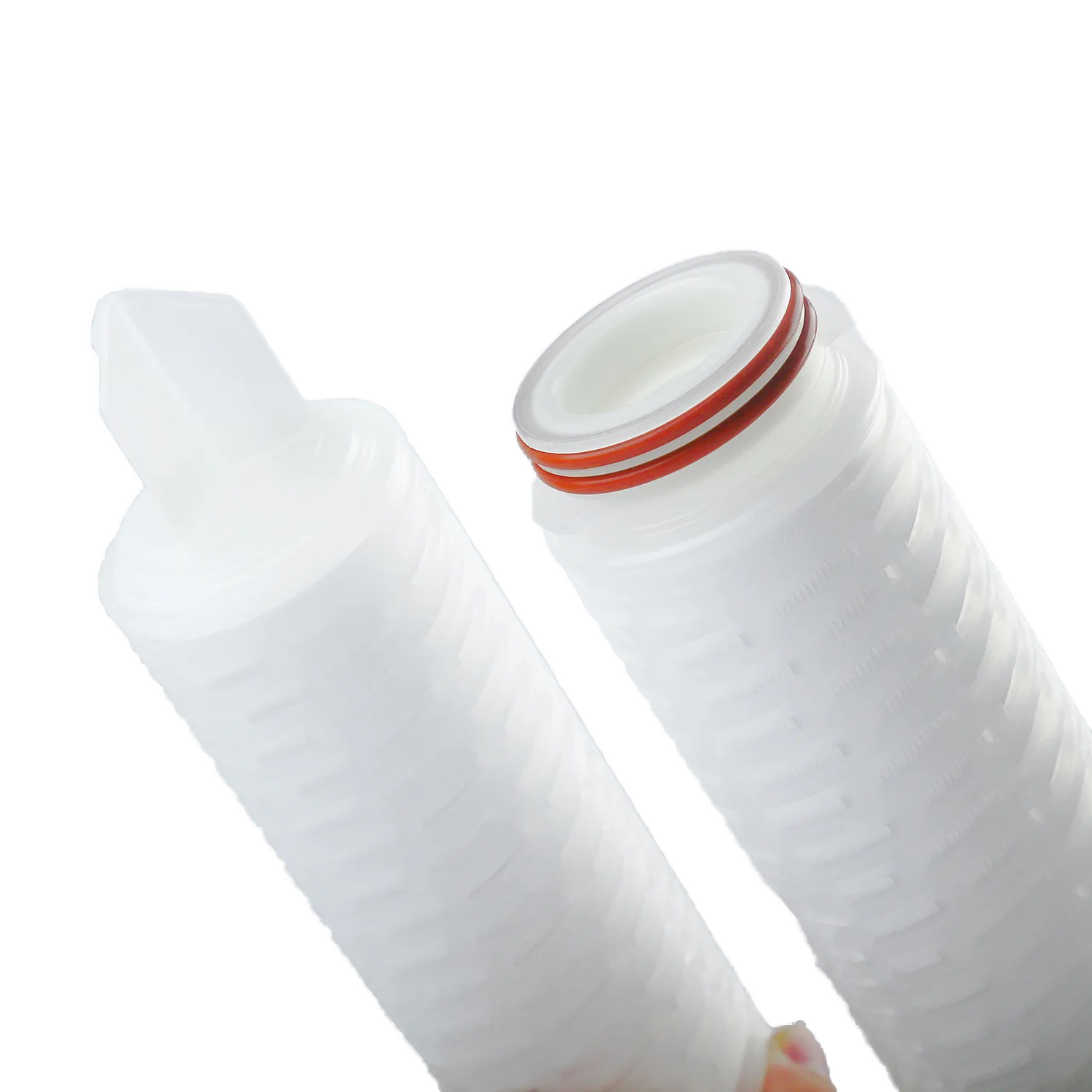
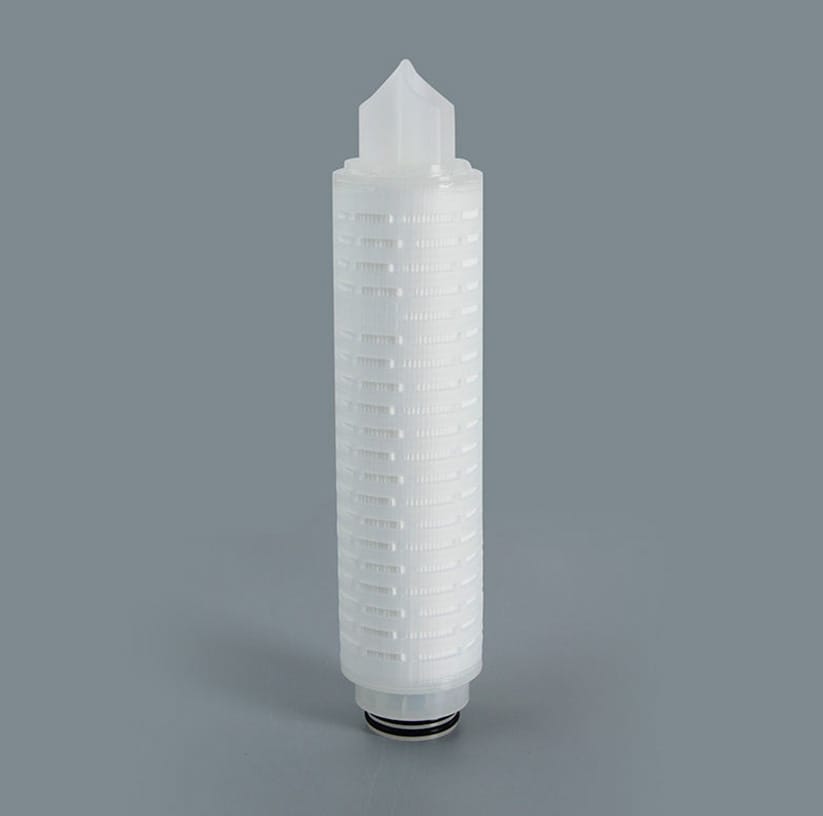
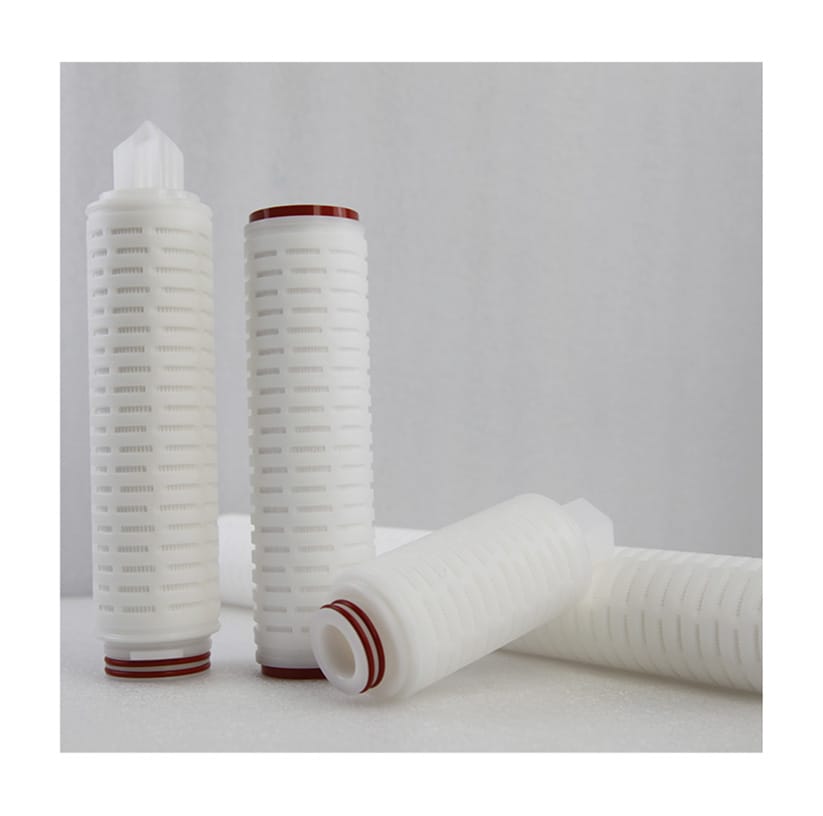
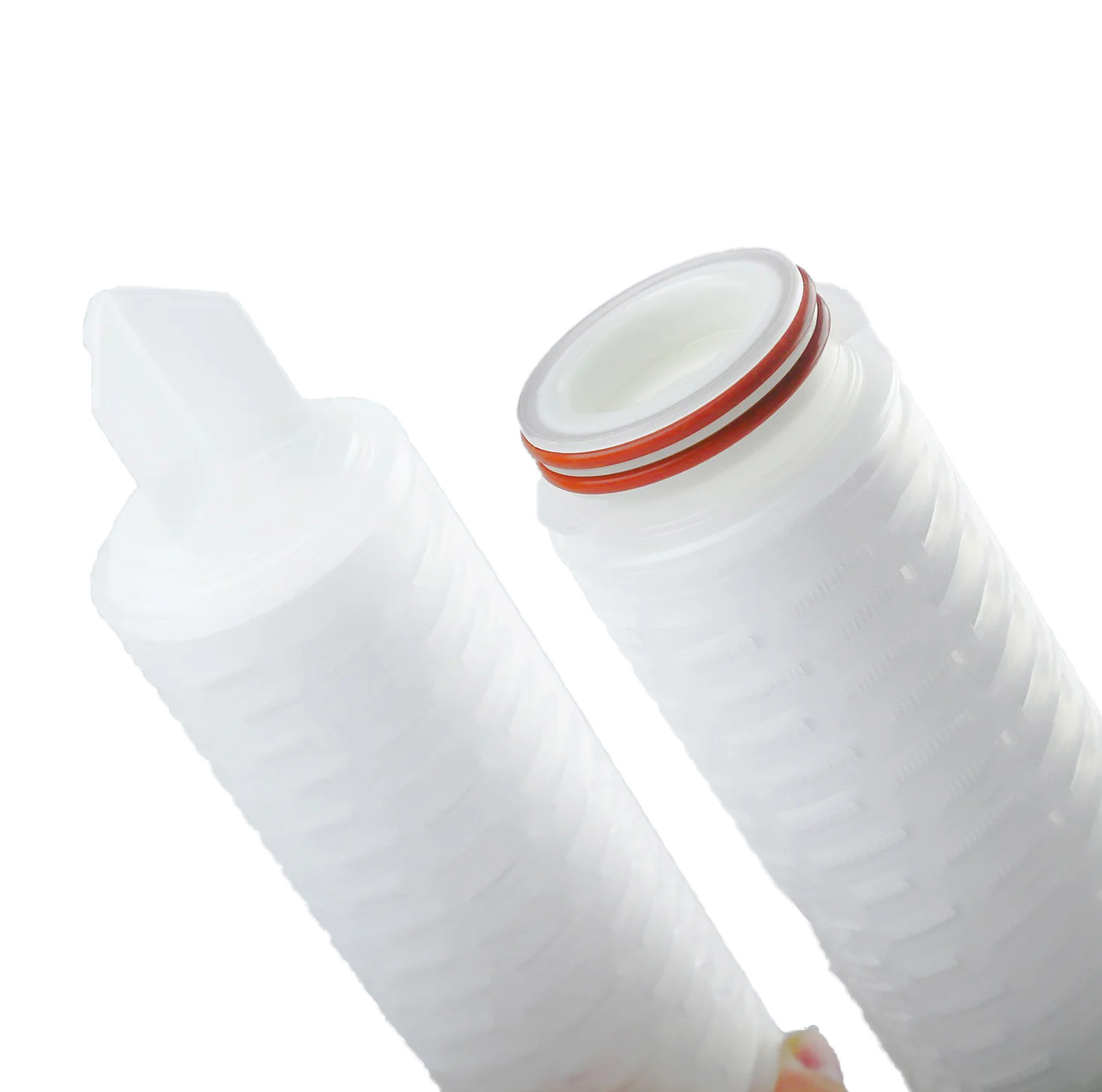
One of the most frequent questions we receive from plant managers and maintenance engineers is: “How long will this filter last?”
There is no single answer, as the service life of a PP pleated filter cartridge depends on your specific operating conditions. Replacing filters too early wastes money; replacing them too late risks system downtime, pump damage, or product contamination.
In this guide, we will break down the variables and show you how to calculate the optimal replacement cycle for your filtration system.
Before diving into calculations, it is important to distinguish between these two terms:
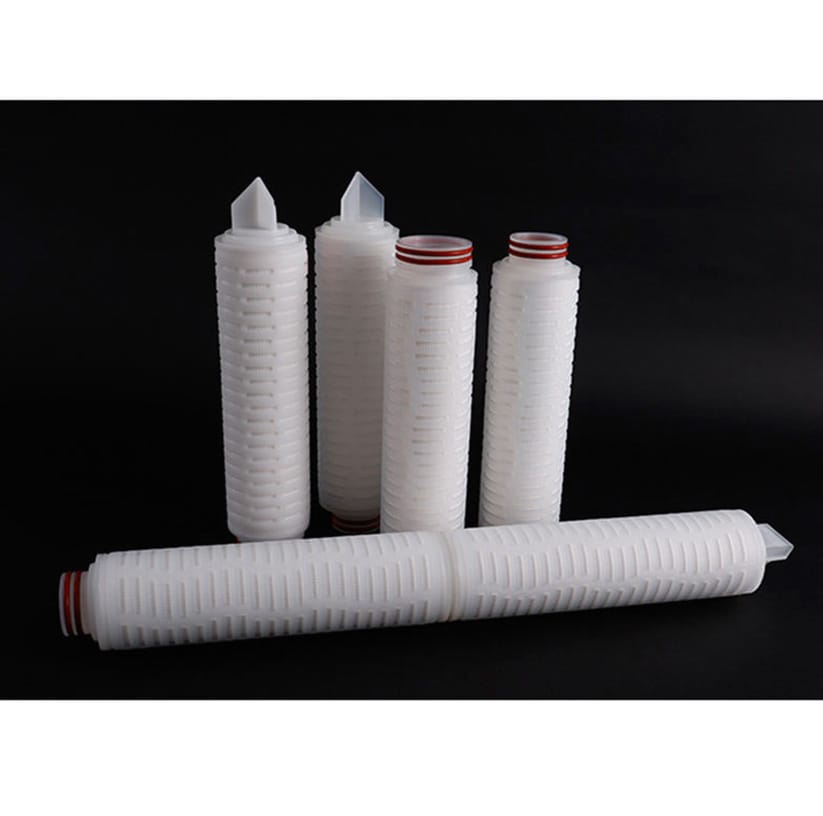
Shelf Life: How long a filter can be stored in its original packaging. For our [PP pleated filters], this is typically 3 to 5 years if stored in a cool, dry place.
Service Life: The actual duration the filter is actively removing contaminants from your process stream. This is what impacts your Operational Expenditure (OPEX).
2. Key Factors That Determine Filter Life
Several “invisible” factors dictate how quickly your filter will clog:
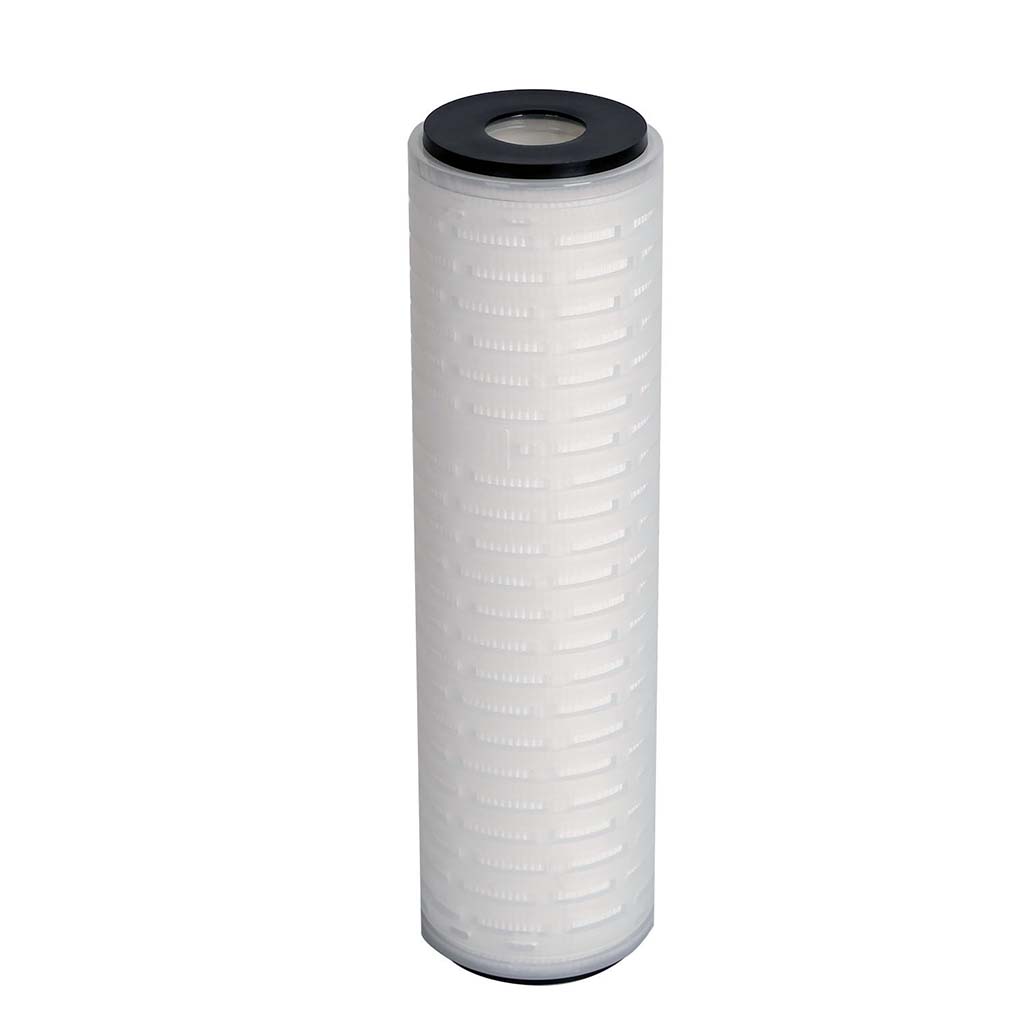
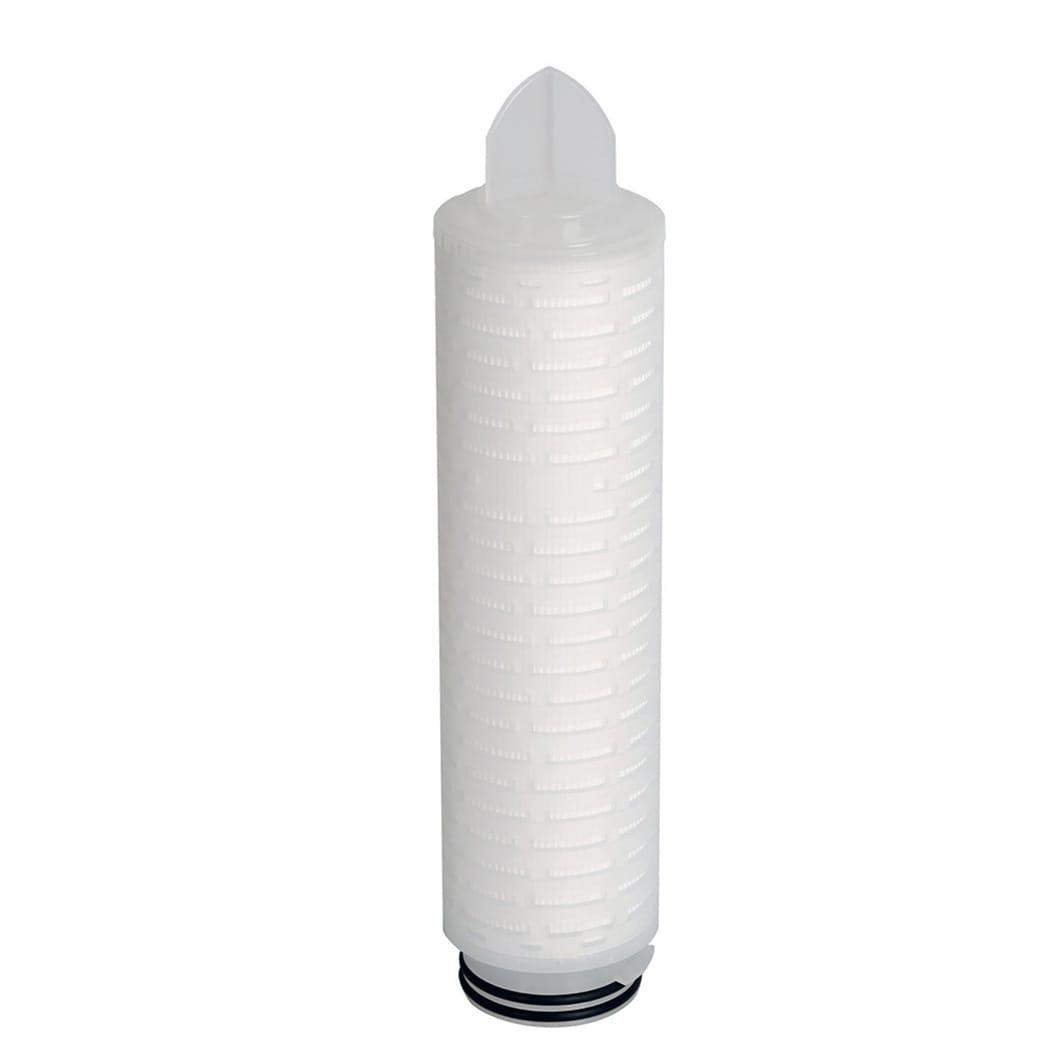
Dirt Holding Capacity (DHC): This is the total mass of contaminants a filter can capture before reaching its terminal pressure drop. Pleated filters have a much higher DHC than melt-blown filters due to their increased surface area.
Contaminant Concentration: Higher PPM (parts per million) of solids in your fluid will naturally shorten the cycle.
Flow Velocity: Operating a filter at its maximum rated flow rate will cause the pressure drop to rise faster than at a moderate flow rate.
Fluid Viscosity: Thicker fluids (like syrups or oils) create higher resistance, resulting in a shorter functional life.
3. The Gold Standard: Differential Pressure (∆P)
The most reliable way to determine when a filter is “dead” is by monitoring the Differential Pressure ()—the difference between the inlet and outlet pressure.
The Replacement Formula
While every system is unique, the general rule for a standard PP pleated filter is:
Pro Tip: Never exceed ∆P of 3.0 bar. At this point, the structural integrity of the pleats may be compromised, leading to “unloading” (where captured dirt is forced through the media).
4. How to Calculate the Filter Replacement Cycle
You can estimate the cycle time using this basic engineering logic: T = MDHC / (C × Q × η)
- T: Service life (hours)
- MDHC: Dirt holding capacity (g)
- C: Contaminant concentration (g/L)
- Q: Flow rate (L/h)
- η: Filtration efficiency (%)
Note: In real-world scenarios, the “nature” of the dirt (sticky vs. hard) can act as a multiplier. Sticky contaminants like oils will clog the surface much faster than the formula suggests.
5. 3 Signs You Need an Immediate Replacement
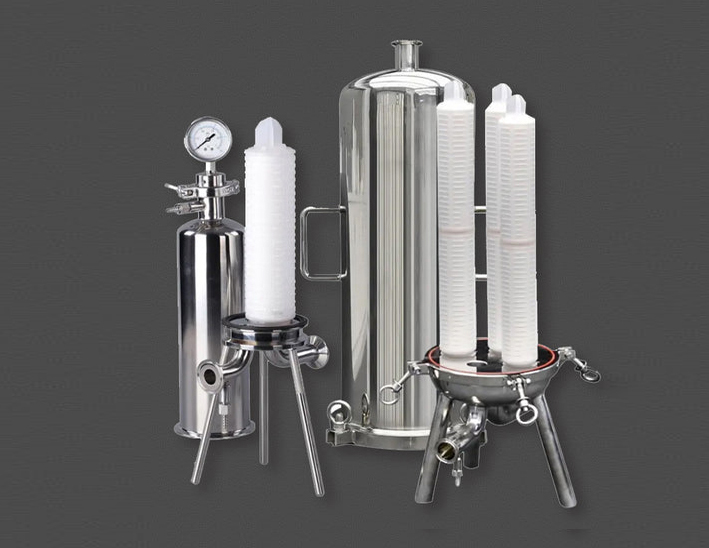
If you don’t have a pressure gauge on your [Filter Housing], watch for these red flags:
Noticeable Flow Reduction: Your downstream equipment isn’t receiving the volume it needs.
Pump Cavitation: The pump is making a loud, gravel-like noise because it’s struggling to pull liquid through a clogged filter.
Product Quality Deviation: If your filtrate suddenly shows turbidity or particle counts, the filter media may have bypassed or ruptured.
6. How to Extend Your Filter’s Service Life
Want to reduce your annual filter spend? Consider these strategies:
Implement Pre-filtration: Use a low-cost [PP Melt Blown Filter] (5-10 micron) to catch the “heavy lifting,” leaving the expensive [Pleated Filter] (0.22 micron) to handle the fine particles.
Oversize the System: Using a [High Flow Filter] instead of multiple standard cartridges reduces the face velocity, often tripling the service life.
Optimal Sizing: Ensure your housing is sized so that the initial ∆P is as low as possible.
7. Conclusion: Data-Driven Maintenance
The best way to manage your filters is to keep a Maintenance Log. By recording the ∆P and the date of each change-out, you can predict exactly when you will need your next batch of filters, avoiding emergency shipping costs and production halts.
Need help optimizing your filtration cycle?
ECONE Filtration engineers can analyze your fluid samples and provide a custom DHC report.
FAQ
Q: Can I clean and reuse a PP pleated filter?
A: Generally, no. PP pleated filters are depth-style media designed to trap particles inside the fiber matrix. Unlike stainless steel mesh, they cannot be fully “back-washed” once deeply clogged.
Q: Does temperature affect the replacement cycle?
A: Yes. At higher temperatures, the PP media becomes slightly more flexible. If you are filtering at high ∆P and high temperature simultaneously, the risk of bypass increases, necessitating an earlier change-out.