Email Address
sales@filtercartridgetech.com
Phone Number
(+86) 15057941949
Our Location
Zhejiang, China
sales@filtercartridgetech.com
(+86) 15057941949
Zhejiang, China
Choosing the right filter cartridge for your existing filter housing is essential for maintaining filtration efficiency, preventing leaks, and ensuring stable system performance. Many industrial filtration systems rely on replaceable filter cartridges, but selecting the correct replacement requires careful consideration of multiple factors such as cartridge size, end cap type, filtration media, and micron rating.
If a filter cartridge does not properly match the housing, it can lead to operational issues such as pressure loss, poor filtration performance, bypass leakage, and even equipment damage. This guide explains how to accurately match a filter cartridge to your existing housing and ensure optimal filtration system performance.
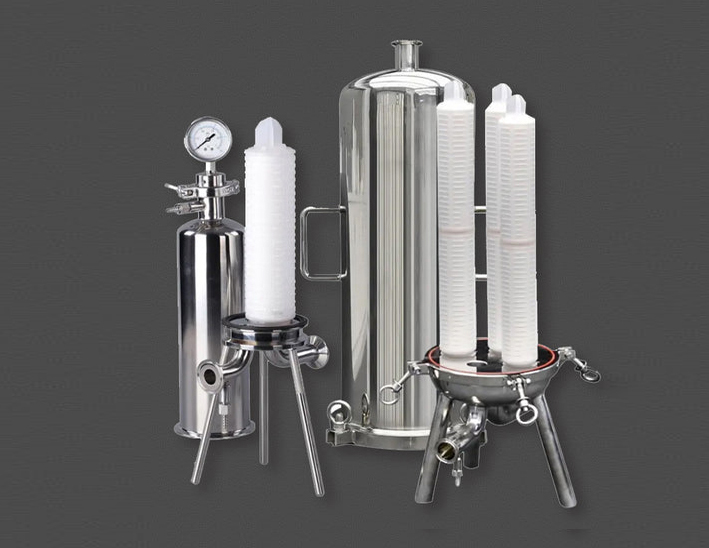
Selecting the correct filter cartridge is not just about fitting the housing. The compatibility between the cartridge and housing affects the overall filtration system performance.
When the cartridge is properly matched with the housing, the filtration system can achieve the expected micron rating and contaminant removal efficiency. An incompatible cartridge may allow particles to bypass the filtration media.
Improper cartridge sealing can cause fluid to bypass the filter media, meaning unfiltered liquid or gas flows through the system. This is a common problem when the end cap design does not match the housing connection.
Using the wrong cartridge size or material can increase pressure drop or damage sealing components. Correct matching ensures long-term reliability and system stability.
Before purchasing a replacement filter cartridge, several important parameters must be verified.
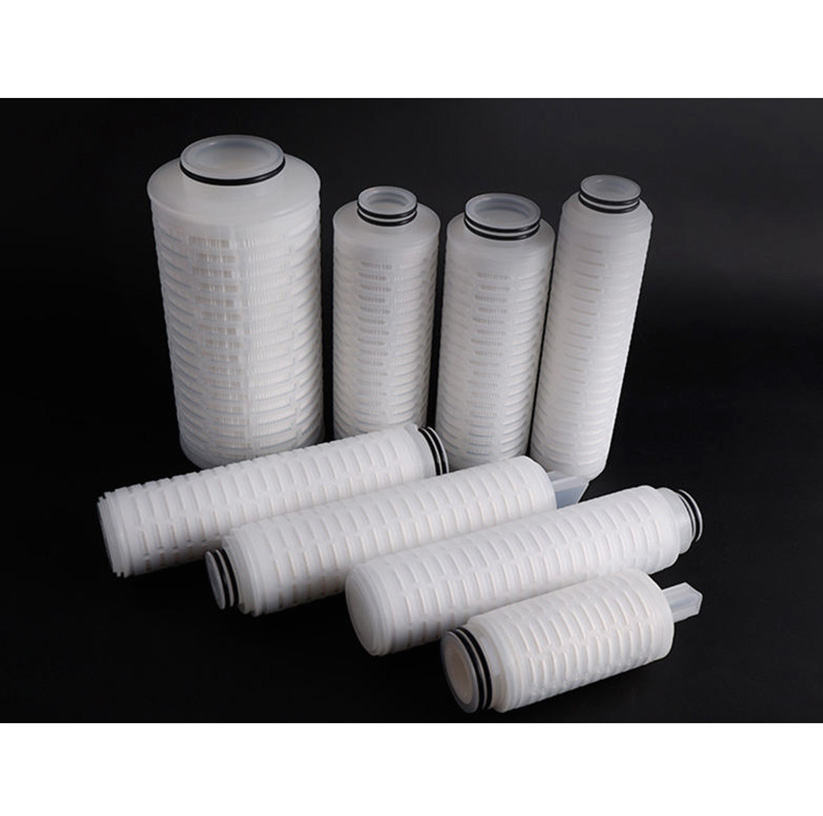
Filter cartridges are commonly available in standard lengths such as:
The cartridge length must match the internal length of the housing to ensure proper sealing and positioning.
For example, a housing designed for a 40-inch cartridge cannot properly seal a 30-inch cartridge, which may result in bypass flow.
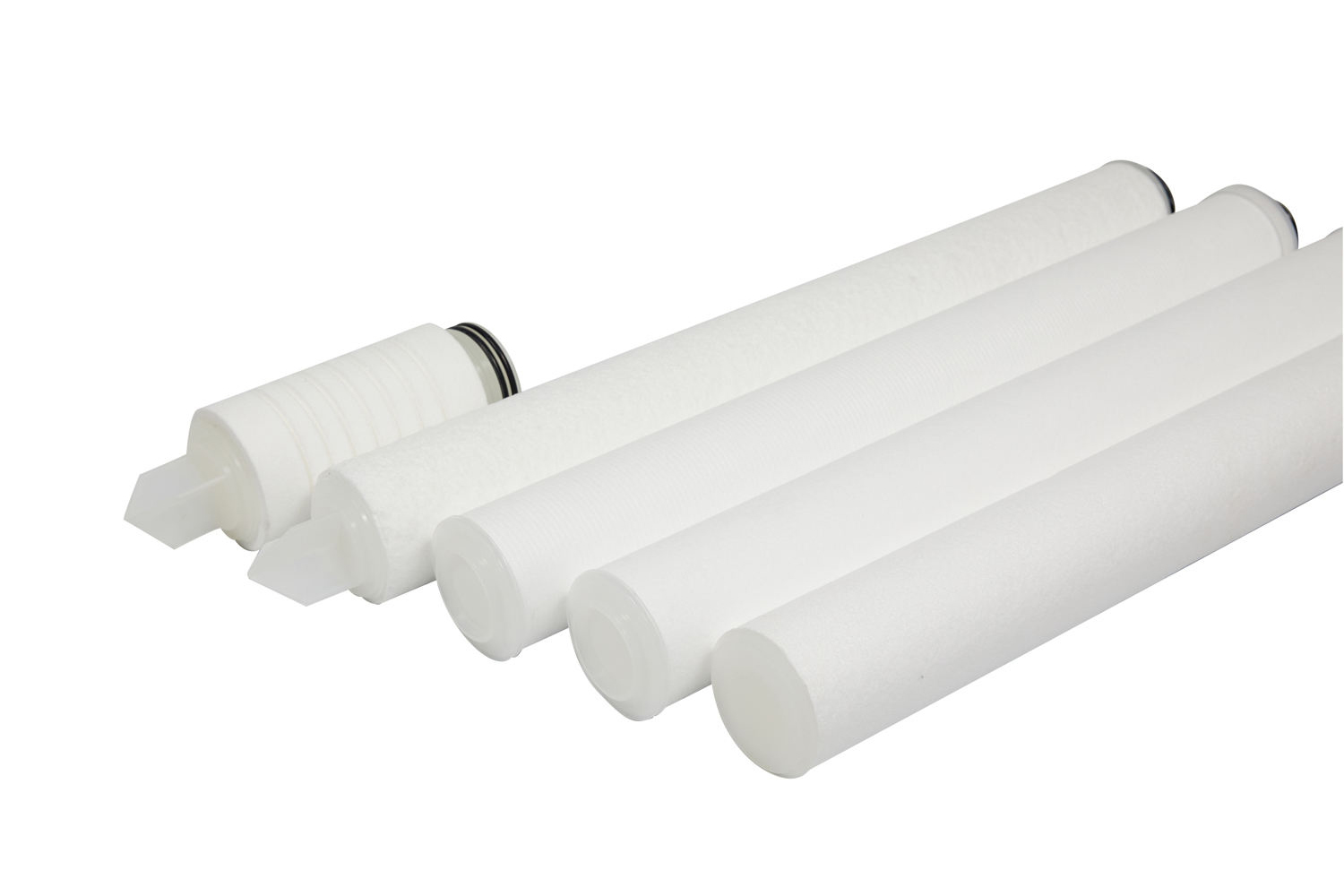
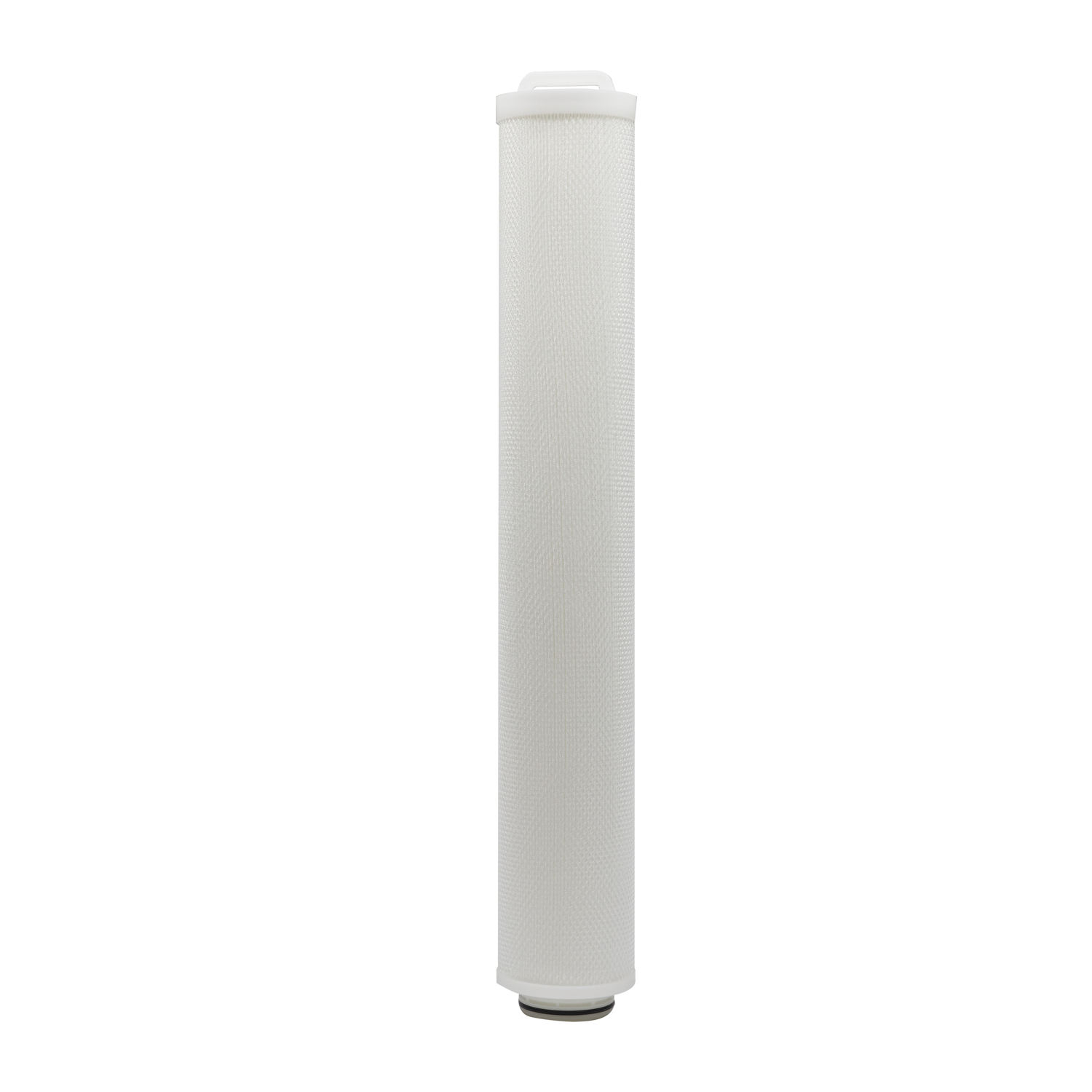
Different filtration requirements call for different filter cartridge designs. The three most commonly used cartridge technologies in water treatment systems are depth filter cartridges, pleated filter cartridges, and high flow filter cartridges.
The outer diameter determines whether the cartridge fits inside the housing.
Common outer diameters include:
If the OD is too large, the cartridge cannot fit into the housing. If it is too small, it may not align correctly with the sealing components.
The inner diameter is especially important for cartridges with internal cores or sealing structures.
Many industrial filter cartridges include:
The correct inner diameter ensures structural stability and proper fluid flow through the cartridge.
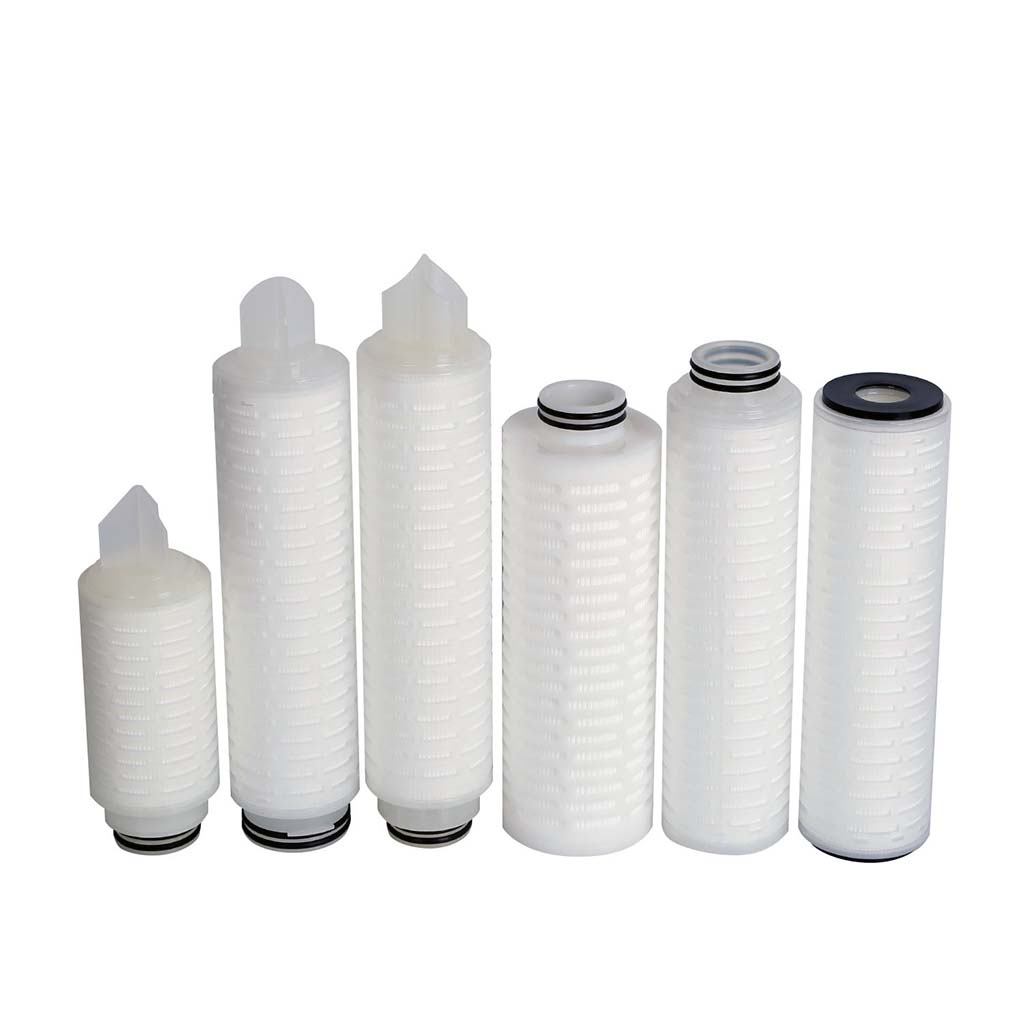
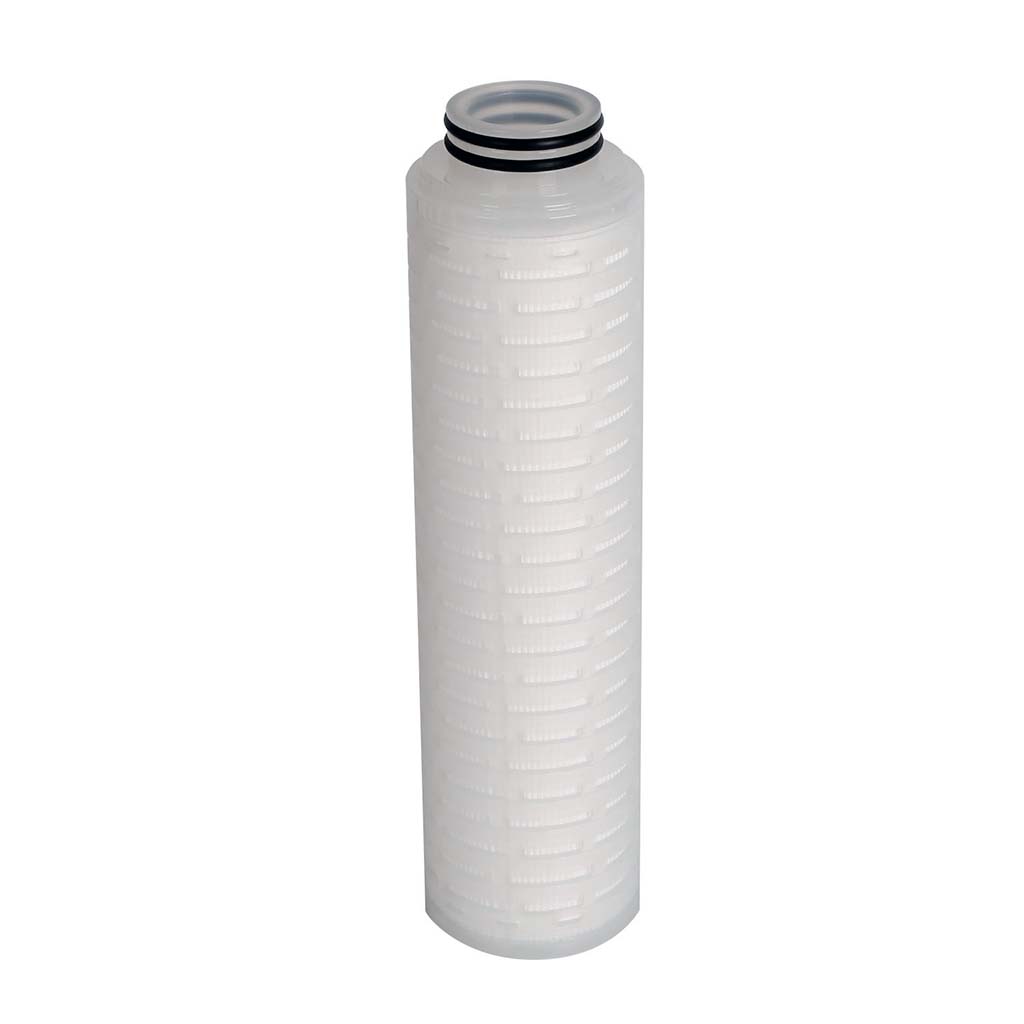
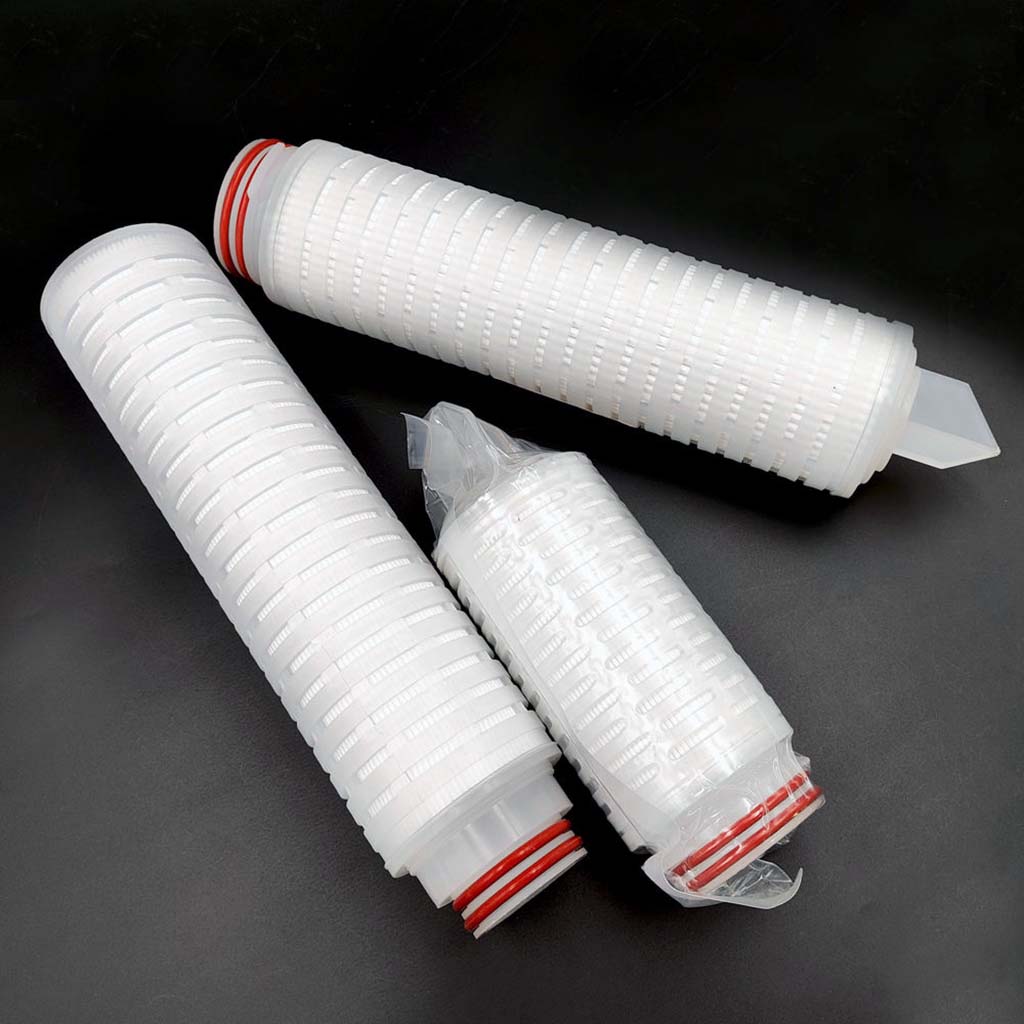
The end cap or connection type must match the housing sealing mechanism. Some of the most common types include:
DOE cartridges have open ends on both sides and rely on housing springs or gaskets to create the seal.
These are commonly used in:
222 O-ring cartridges include a double O-ring seal and locking mechanism. This design ensures a secure connection with the housing.
They are often used in:
226 O-ring cartridges provide a stronger locking connection compared to 222 designs and are commonly used in sanitary filtration housings.
These are widely used in:
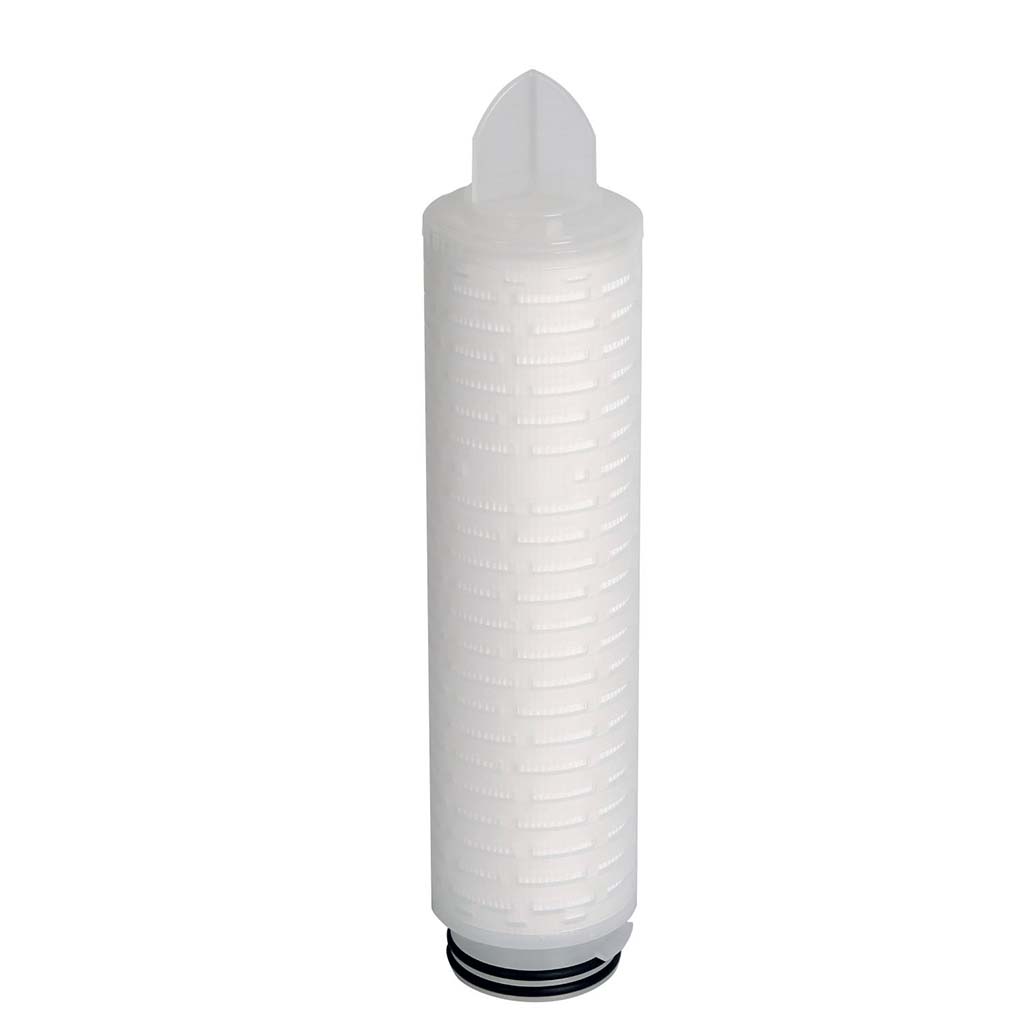
Fin-type cartridges include a guiding fin that helps align the cartridge during installation and ensures proper positioning inside the housing.
The filter media determines the chemical compatibility, temperature resistance, and filtration performance.
Common filter media include:
PP filter cartridges are widely used in water treatment due to their excellent chemical resistance and cost-effectiveness.
Typical applications include:
PES membranes offer high flow rates and excellent filtration accuracy. They are commonly used in sterile filtration and pharmaceutical applications.
PTFE filter cartridges provide excellent chemical resistance and are suitable for aggressive chemicals and gas filtration.
They are widely used in:
Nylon filters are commonly used for solvent filtration and applications requiring strong mechanical strength.
The micron rating defines the size of particles that the filter cartridge can remove.
Typical micron ratings include:
It is important to match the micron rating with the system requirements. Choosing a cartridge with a higher micron rating may allow contaminants to pass through, while a lower micron rating may increase pressure drop.
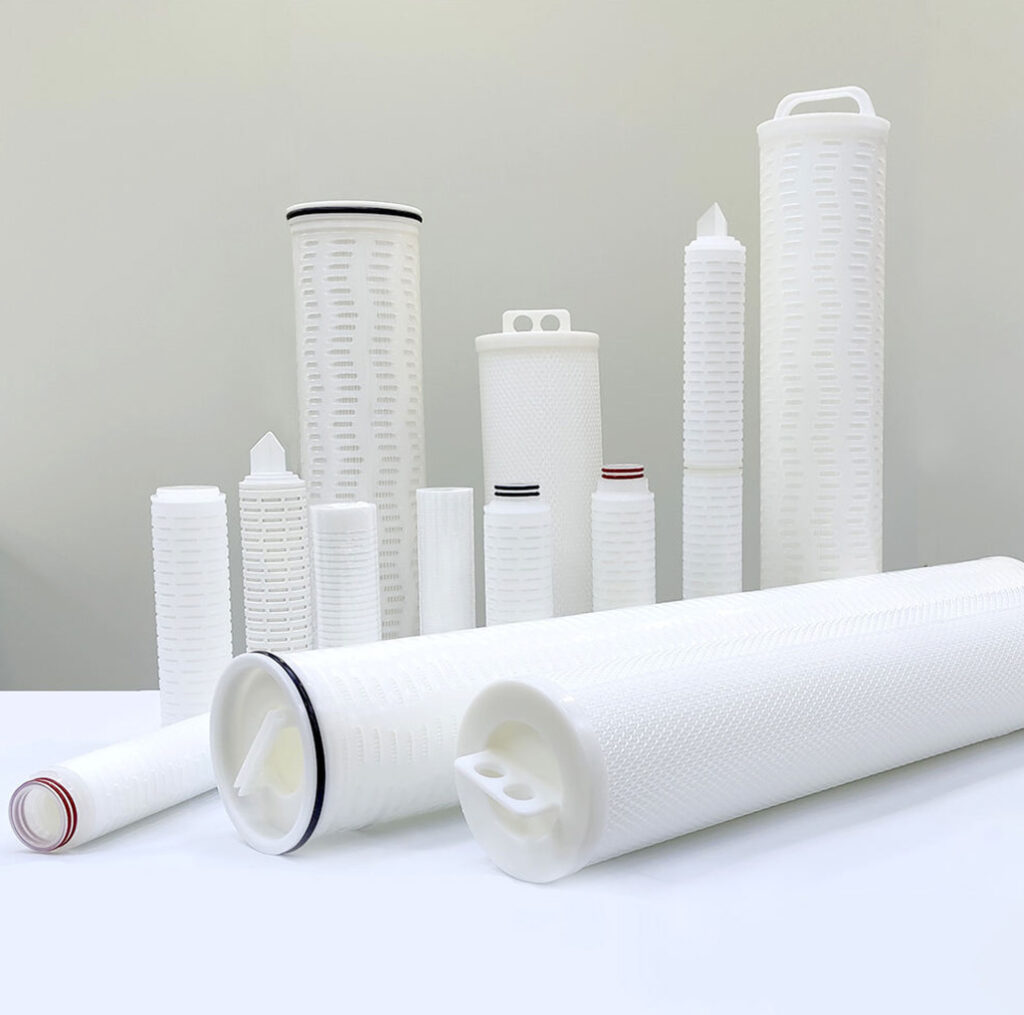
Different types of filter cartridges are designed for different filtration systems.
Pleated filter cartridges provide a large filtration area due to their folded membrane structure. They are commonly used in high-flow industrial filtration systems.
Typical applications include:
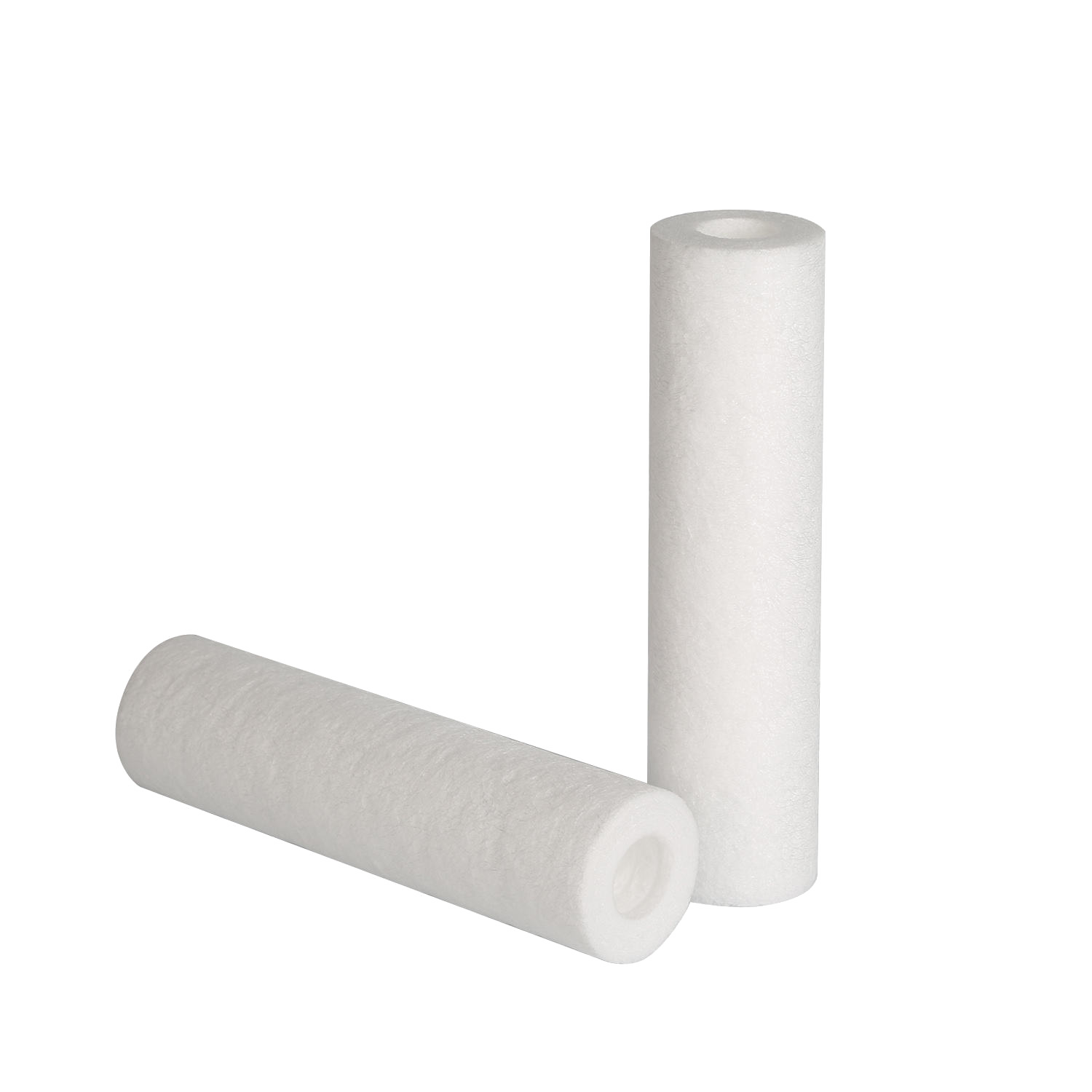
Melt blown cartridges are depth filters made from polypropylene fibers. They are designed to remove suspended particles and sediment.
They are commonly used as pre-filters before membrane filtration systems.
String wound cartridges are constructed by winding yarn around a core to create a depth filtration structure.
These cartridges are widely used in:
Membrane filter cartridges provide precise filtration and are often used in sterile or high-purity applications.
Common membrane materials include:
Matching a filter cartridge to your existing housing can be done using a systematic approach.
Check the housing nameplate or manufacturer documentation to identify the housing model and cartridge specifications.
Measure the length of the existing cartridge from end cap to end cap to determine the correct replacement size.
Verify the end cap configuration to ensure compatibility with the housing.
Choose the appropriate filter media based on:
Ensure that the replacement cartridge can withstand the operating conditions of the filtration system.
Many filtration system issues occur due to incorrect cartridge selection.
Incorrect end caps can prevent proper sealing and cause bypass leakage.
Selecting the wrong micron rating may result in insufficient filtration or excessive pressure drop.
Even small differences in cartridge length can prevent proper installation and sealing.
Some filter media may not be compatible with certain chemicals or temperatures, leading to filter damage.
Accurate measurement helps ensure the correct replacement cartridge.
Use a caliper or measuring tool to determine the outer diameter of the cartridge.
Measure the internal core diameter to ensure compatibility with the housing support structure.
Measure from one end cap to the other to determine the exact cartridge length.
Observe the cartridge end caps carefully to identify whether it is DOE, 222, 226, or another connection type.
Some filtration systems require non-standard cartridges.
Custom filter cartridges may be necessary when:
Custom manufacturing ensures full compatibility with specialized filtration systems.
As a professional filter cartridge manufacturer, we help customers identify the correct replacement cartridges for their existing housings.
Our services include:
We can manufacture a wide range of cartridges including:
Matching the correct filter cartridge to your existing housing is critical for maintaining filtration efficiency and system reliability. By carefully checking parameters such as cartridge length, outer diameter, end cap type, filtration media, and micron rating, you can ensure the replacement cartridge functions correctly within the housing.
If you are unsure about the compatibility of your filter cartridge, consulting with an experienced manufacturer can help you avoid costly mistakes and maintain optimal filtration performance.